Spawn3D Printer
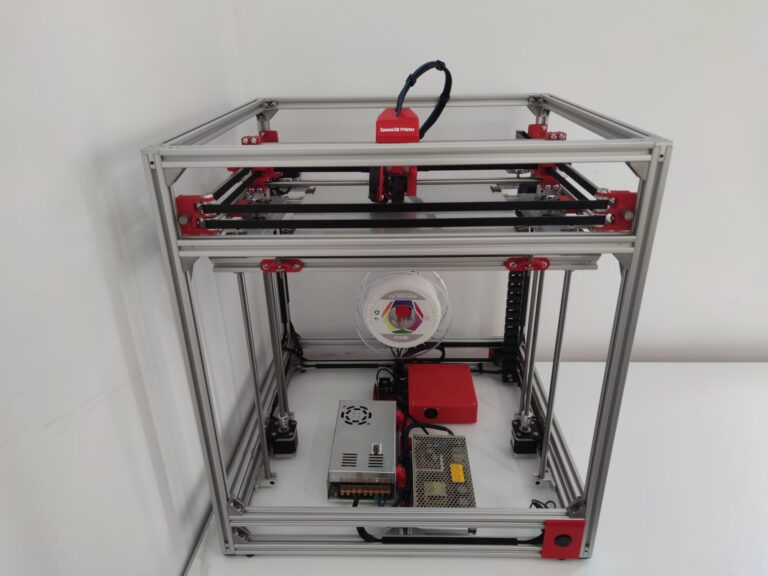
A CoreXY machine designed and integrated from scratch: 320 × 320 × 320 mm of build volume and Duet2 WiFi electronics.

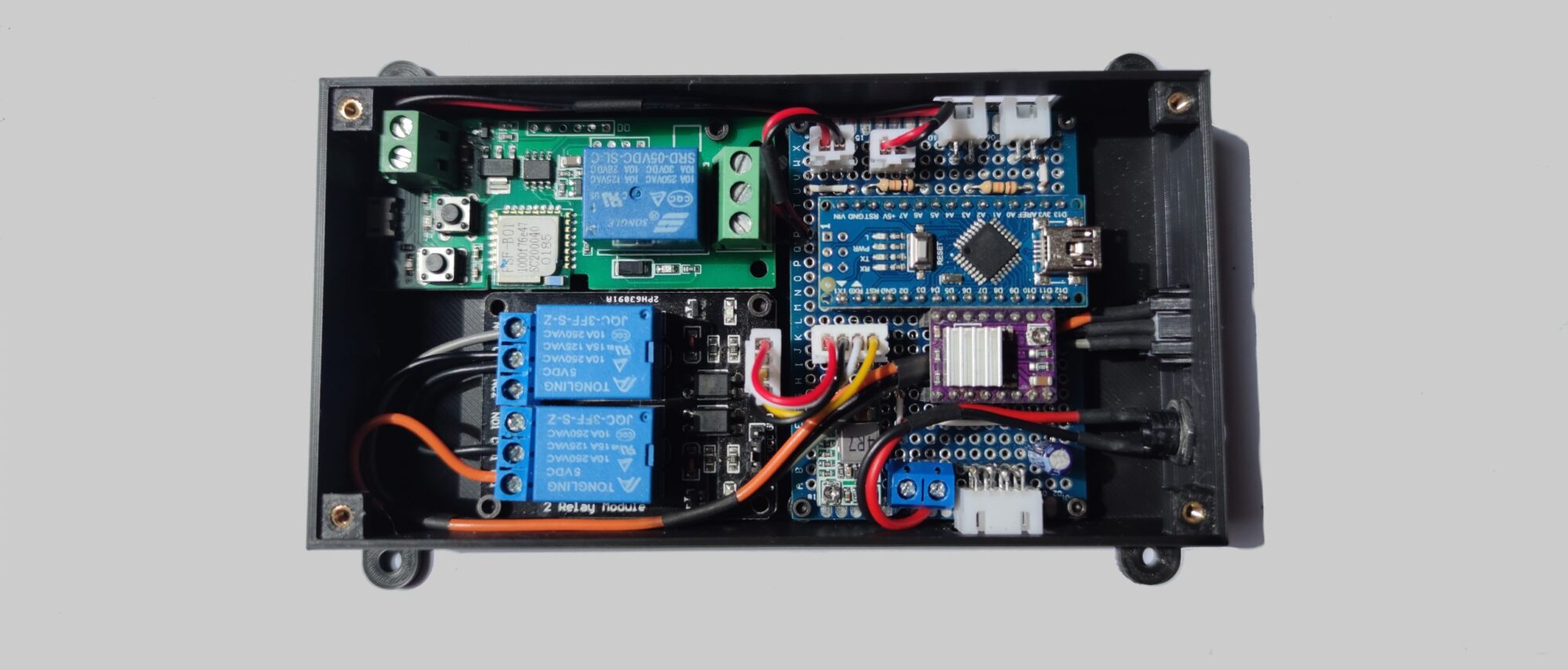
When the part isn’t enough and something has to be made to work: microcontroller control, integration with home automation, adapting equipment left without manufacturer support, and fitting the electronics inside its own case.
Sometimes the part isn't the problem. The problem is that something has to work: move on its own, open from a phone, respond to a button, or keep doing its job after the manufacturer stopped supporting it.
In these jobs the work doesn't end with a printed part. It includes the electronics that drive it, the program that decides what it does and the case where it is all mounted. It is delivered as an assembly that works, not as a pile of parts.
Microcontroller control and its programming, with the states and the safety conditions worked out for the specific case. When there are moving parts, the order matters as much as the movement: a mechanism that has to come out before it goes down cannot be allowed to do it the other way round, not even once.
Integration with what is already installed, including equipment left without manufacturer support. Often a module compatible with the usual home automation systems —Tuya, Alexa, Google— can be added in parallel, and the equipment can then be managed remotely while keeping all its original electronics.
And recovering equipment rather than replacing it. When something breaks, it almost never breaks entirely: what is still sound is reused instead of scrapping the whole thing.
With that we can answer the first question of all, which is almost always the same one: whether the problem is solved by making use of what is already there, or whether it is worth starting from scratch.
Not to save money, but because equipment that is already installed has proved that it works where it is. Adding capabilities on top of it is almost always less risky than replacing the whole thing with something new that has yet to prove it.
Tell us what you have in hand and we’ll tell you whether it is feasible, how we would solve it and how long it would take.
A CoreXY machine designed and integrated from scratch: 320 × 320 × 320 mm of build volume and Duet2 WiFi electronics.
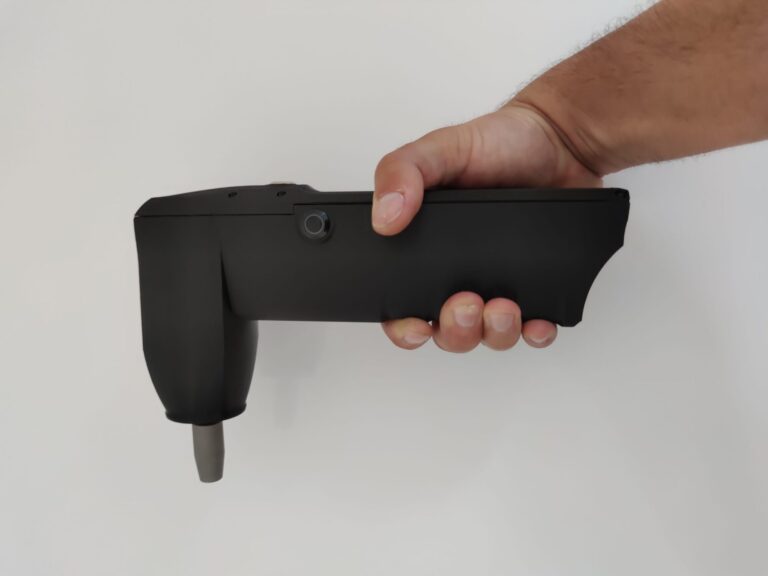
The prototypes validated the whole concept: Bluetooth communication and control of the rotation on the tuning pin.
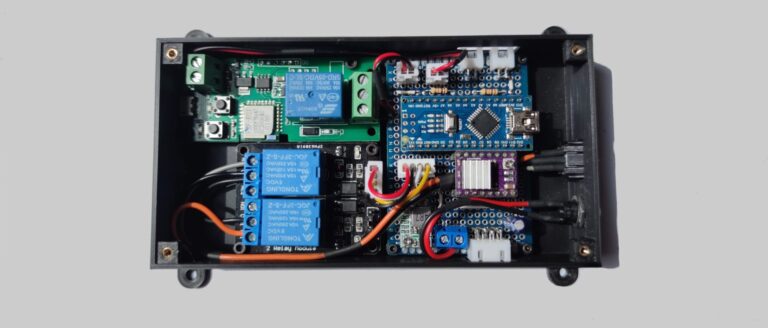
A motorised system delivered with control from a phone and integration with Alexa and Google Home.
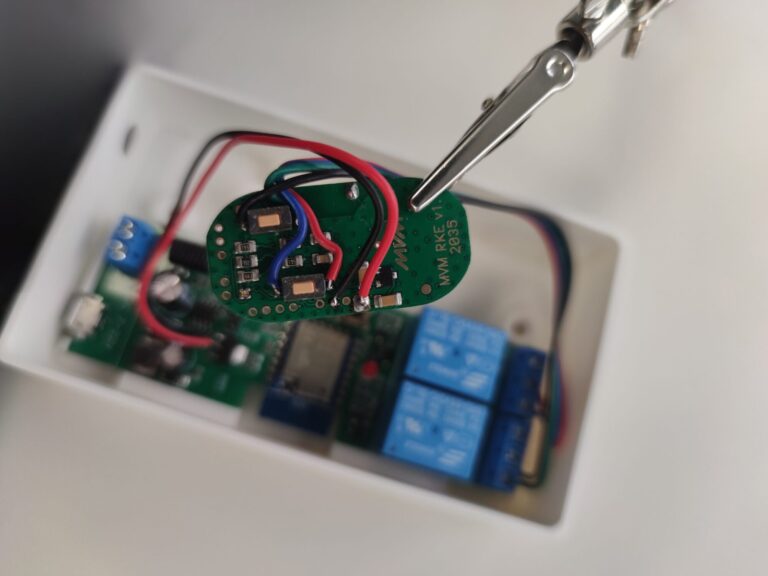
A lock left without manufacturer support is now managed remotely, reusing its original electronics.
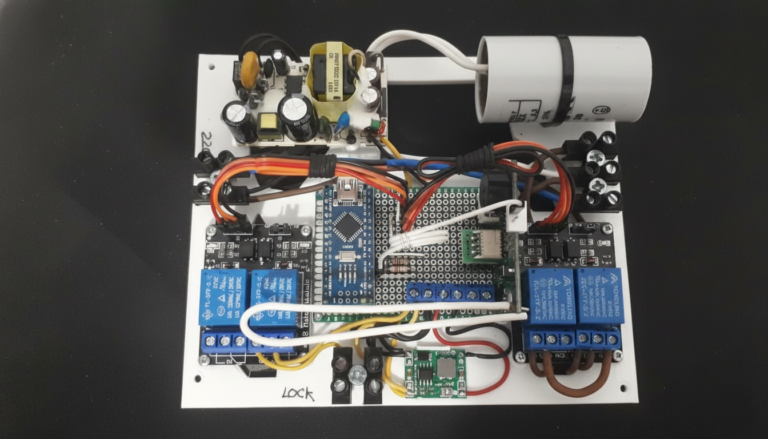
An installation recovered after a storm knocked it out completely, with custom-built modular electronics.
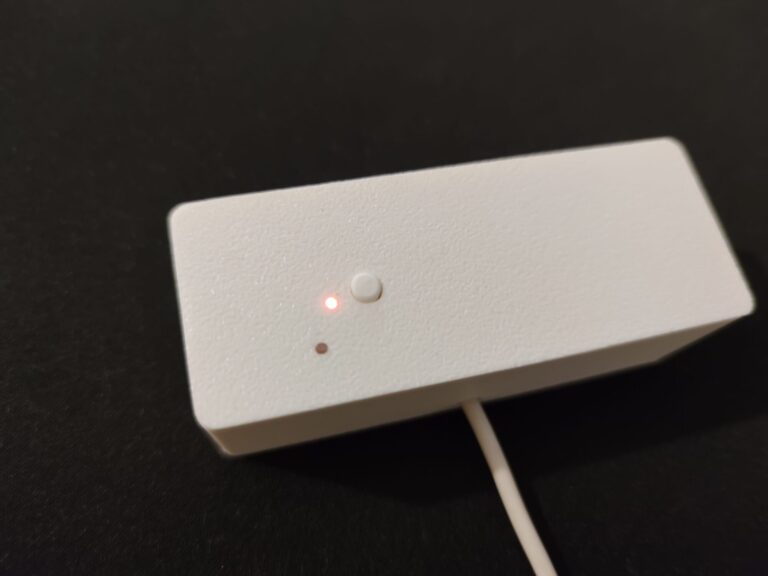
A module ready to fit on the wall, with access to the button and a reading of the LEDs without opening the enclosure.
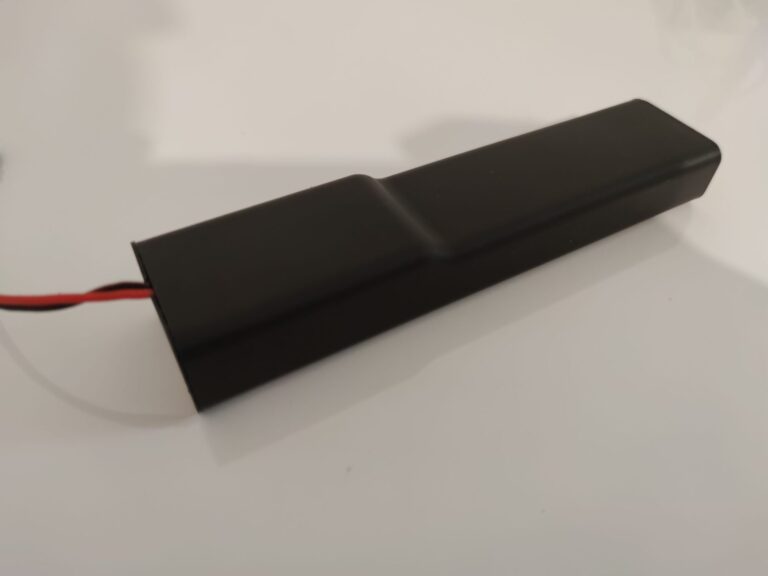
A six-cell pack with an integrated 6S BMS in an enclosure fitted to the millimetre to the space available.
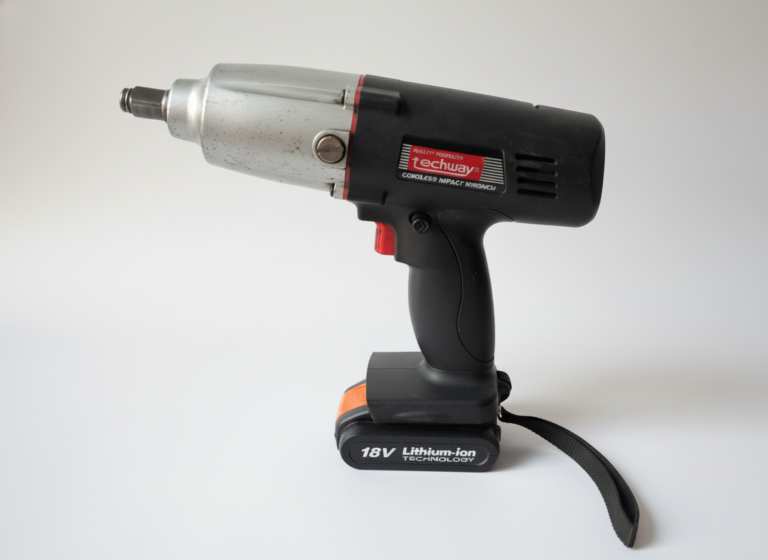
The tool now runs on Worx and Dexter batteries, making use of the ones already in service.
Any of the three is enough to start. We will tell you whether it is feasible, which material it should be made in and how long it would take. A quote commits you to nothing.