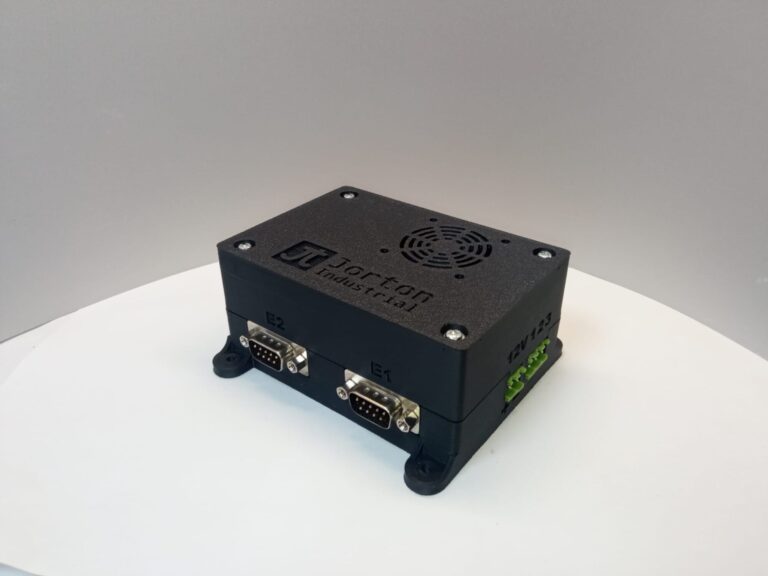
Custom enclosures and cases
Housing electronics or mechanisms in a case made to measure: openings aligned with the real connectors, integrated fixings and access for maintenance without dismantling the whole assembly.
See 7 projects
3D design and printing
Enclosures, discontinued spare parts, functional prototypes and adaptations. From the idea, the drawing or the broken part to the finished component.
Housing electronics or mechanisms in a case made to measure: openings aligned with the real connectors, integrated fixings and access for maintenance without dismantling the whole assembly.
See 7 projects
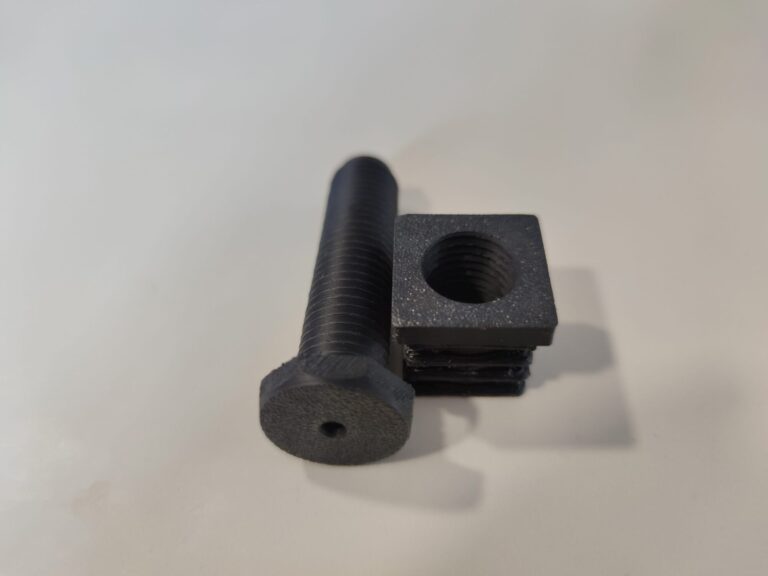
Discontinued parts, parts with no replacement available, or parts never made in series. They are reproduced by reverse engineering from the original, even if it arrives broken, and made in a material that stands up to real use.
See 15 projects
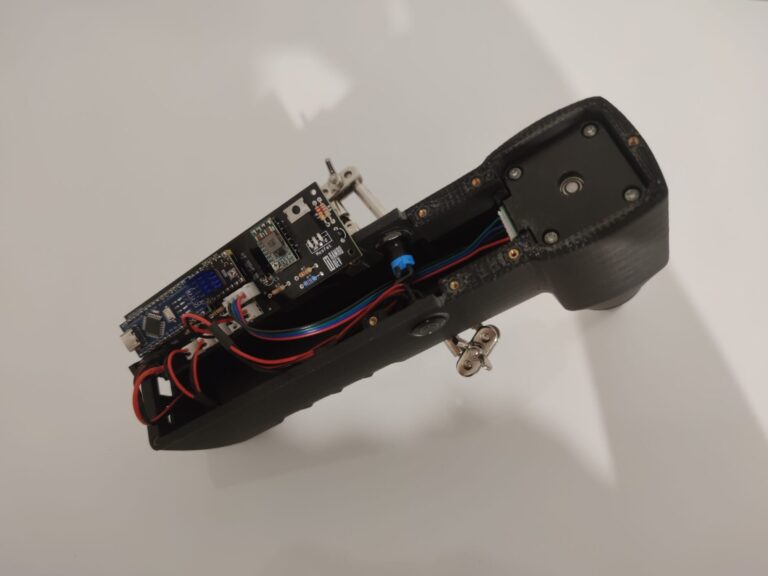
When what has to be solved doesn't exist yet: a first version is built, tested in real conditions and corrected on the spot. As many rounds as it takes —mechanics, electronics and programming included— until the assembly responds.
See 3 projects
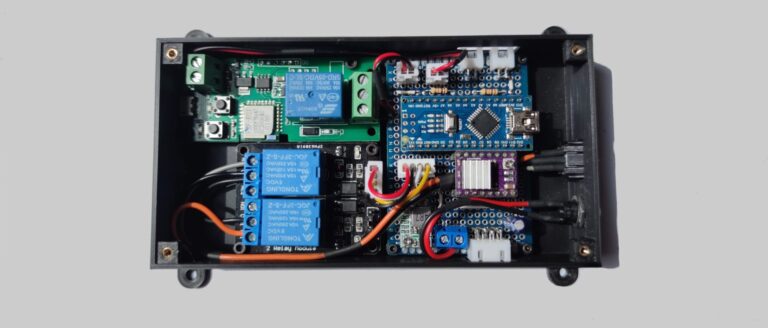
When the part isn't enough and something has to be made to work: microcontroller control, integration with home automation, adapting equipment left without manufacturer support, and fitting the electronics inside its own case.
See 8 projects
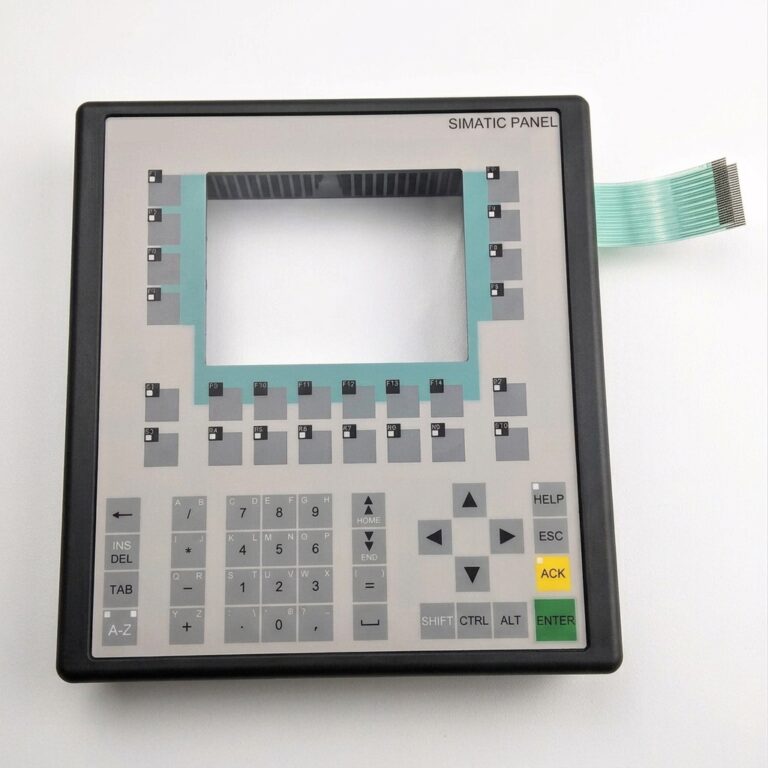
Finding the reference that fits —original or compatible—, sourcing it and delivering it tested. To replace one that has broken, or to equip a new build.
See 1 project
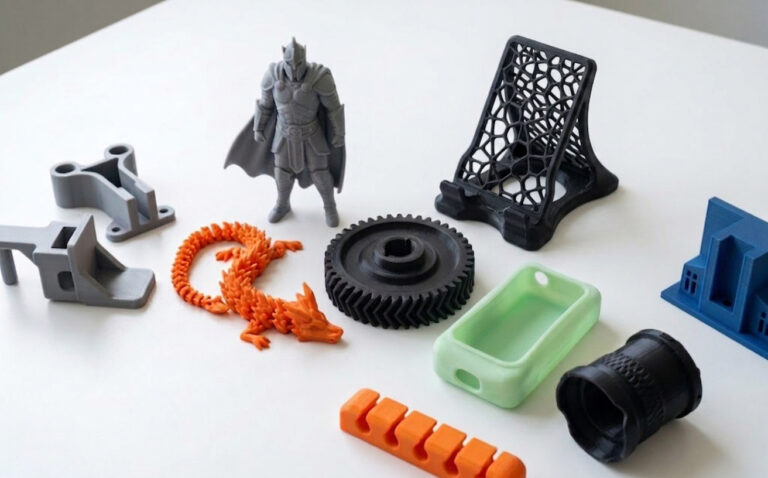
Manufacturing from the file you already have, with no design to commission. Whatever the part, what makes the difference is the material and the orientation it is printed in: that is where we apply judgement.
A part fitting isn’t a matter of luck: it comes from measuring properly, from choosing the material for what it has to withstand, and from testing it in place before making the batch.
Before drawing anything we need to know what the part does, where it is fitted and what it is subjected to: temperature, friction, weather, load. If it is a spare part, also what made the original fail. When there is a reference part it is measured, even if it arrives broken: a broken part tells you more than you would think.
CAD modelling on real dimensions, never approximate ones. Tolerances are decided here according to use: a lid taken off by hand is not the same as a housing that has to hold a board without play. And the material is chosen for what it has to withstand, not for what prints most easily.
A first part is made and tested properly fitted, in place. It almost never works first time, and that is the point: correcting a prototype costs an afternoon, finding the problem once the batch is made costs far more. As many rounds as it takes until it works.
Production in the final material, with the parameters already validated and the agreed finish, ready to fit. The model is archived: if another unit is needed in two years, or twenty, they are made the same way without starting over.
The electronics are protected and ventilated for continuous work, with the connectors accessible.
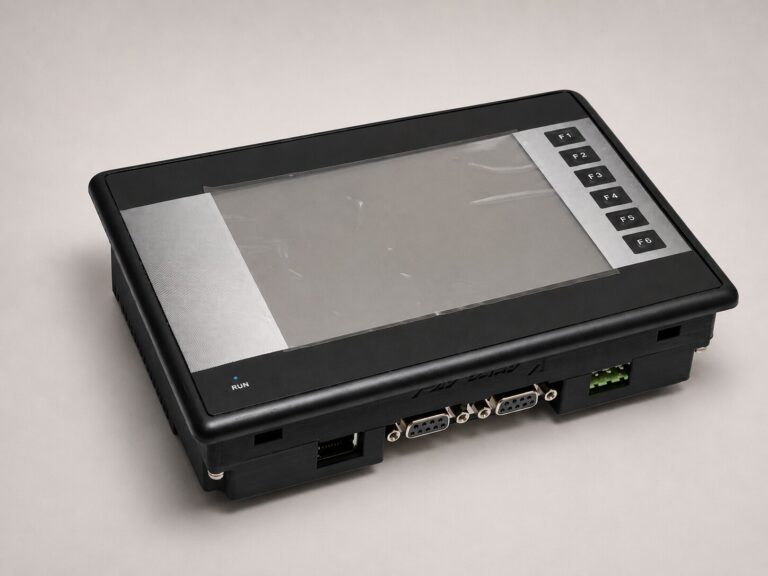
The panel goes back on the machine complete, with a new enclosure, touch panel and front, without changing model or touching the rest of the installation.
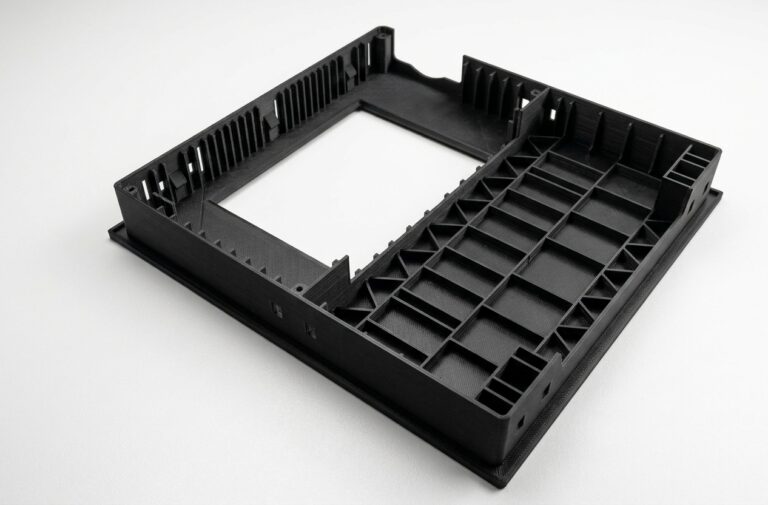
The panel goes back together with its front, with the screen and the keypad in place.
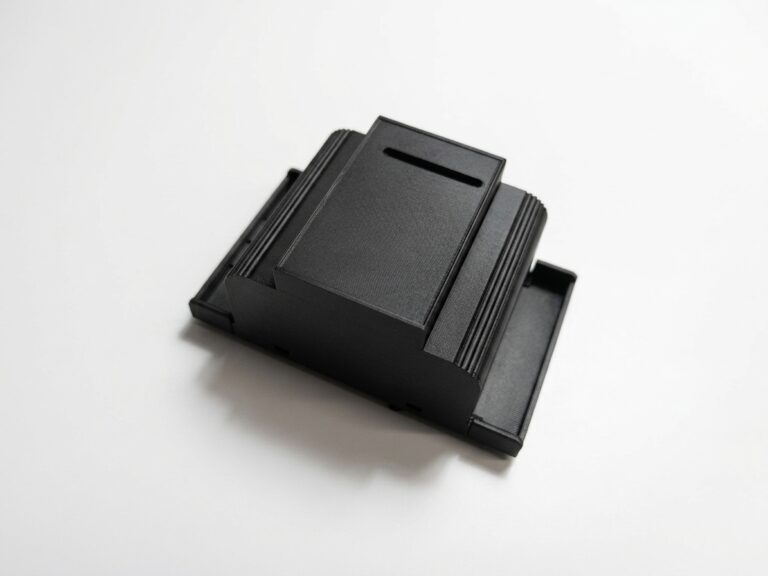
Several modules go back on their rail with a complete enclosure and a firm fixing.
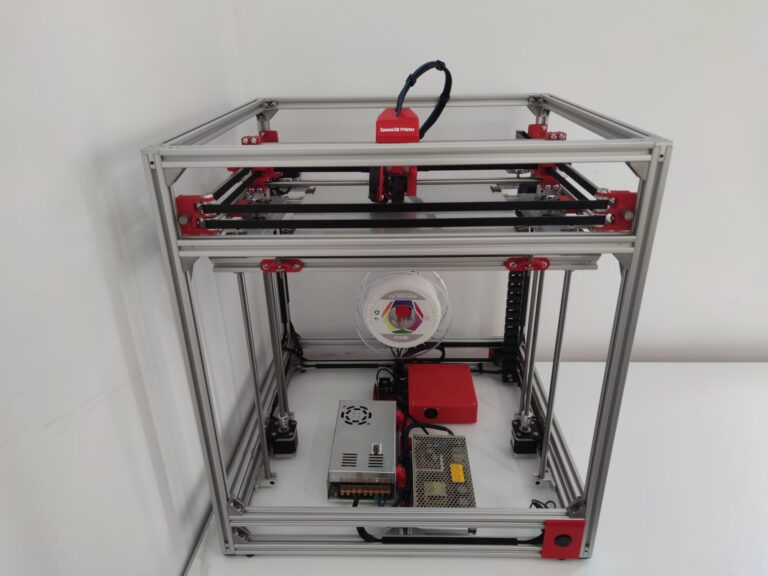
A CoreXY machine designed and integrated from scratch: 320 × 320 × 320 mm of build volume and Duet2 WiFi electronics.
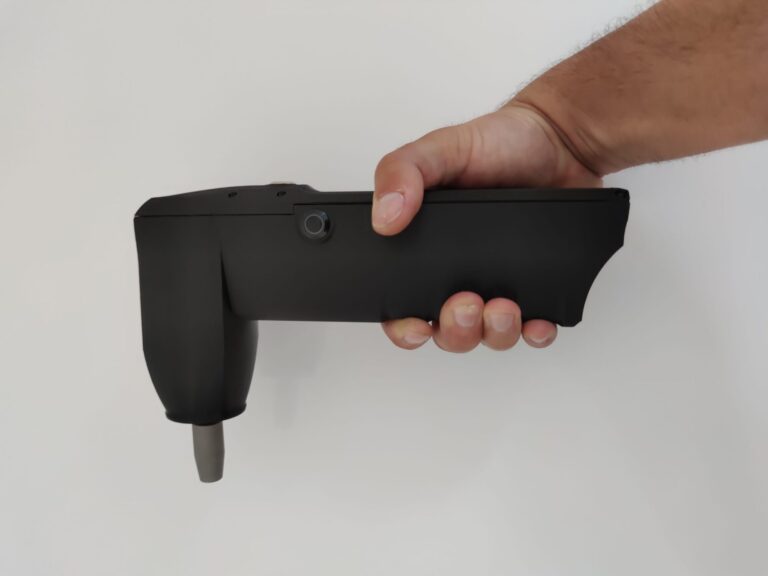
The prototypes validated the whole concept: Bluetooth communication and control of the rotation on the tuning pin.
Any of the three is enough to start. We will tell you whether it is feasible, which material it should be made in and how long it would take. A quote commits you to nothing.