
Electronics and automation · Prototypes and validation
Pianomatic
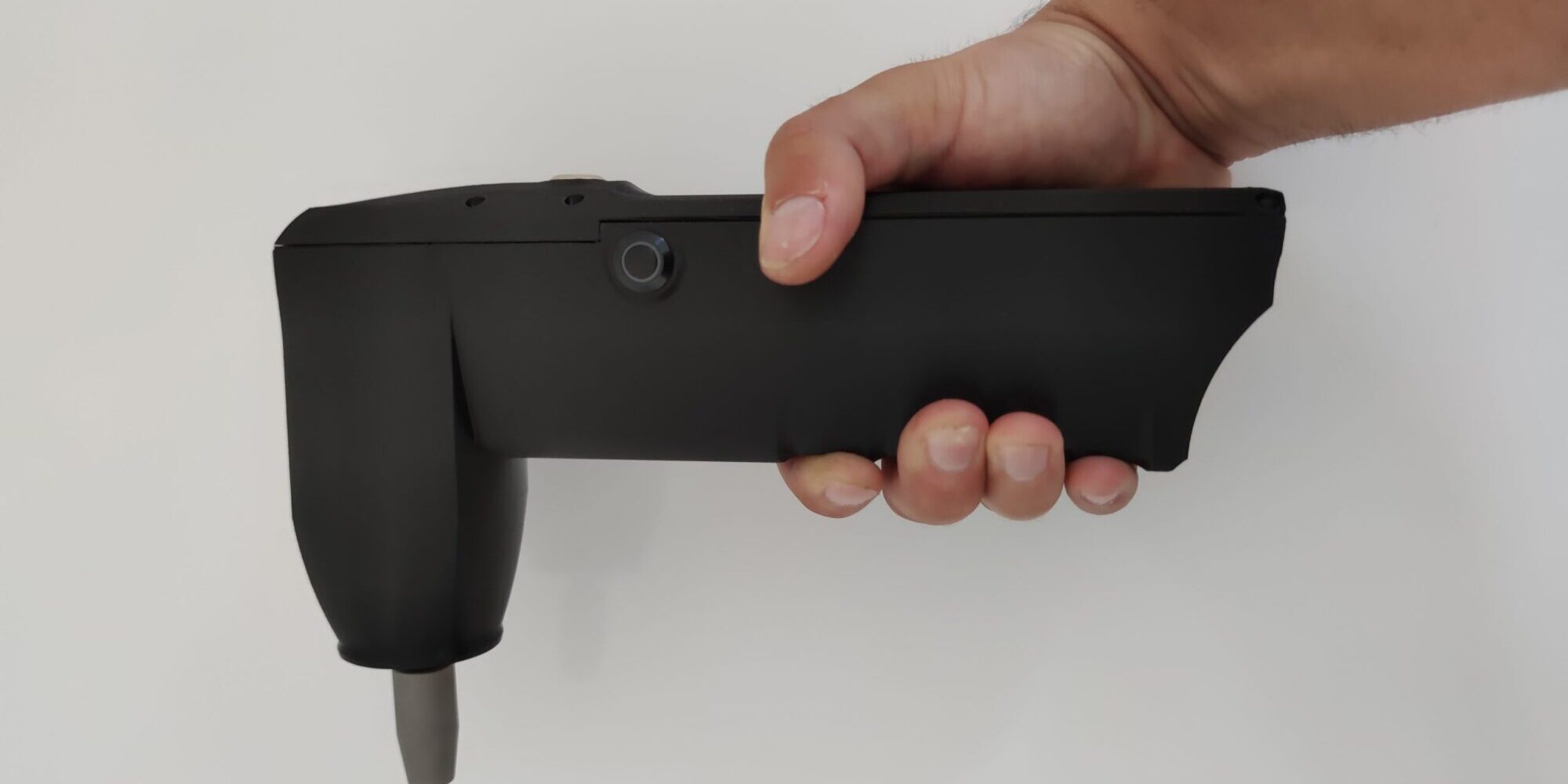
The prototypes validated the whole concept: Bluetooth communication and control of the rotation on the tuning pin.
The challenge
Tuning a piano means tensioning each string to its exact frequency by turning the tuning pin, and doing it by ear takes years of practice. Hamro Dev wanted a tool to assist with that adjustment: an app that would listen to the note and a device that would turn the pin until the string was in tune.
The constraints
The tool is handled over the pin block, with one hand, on top of an instrument that cannot take knocks. It had to be compact and manageable, grip pins of different types, have enough torque to move the string and not turn when it should not.
The solution
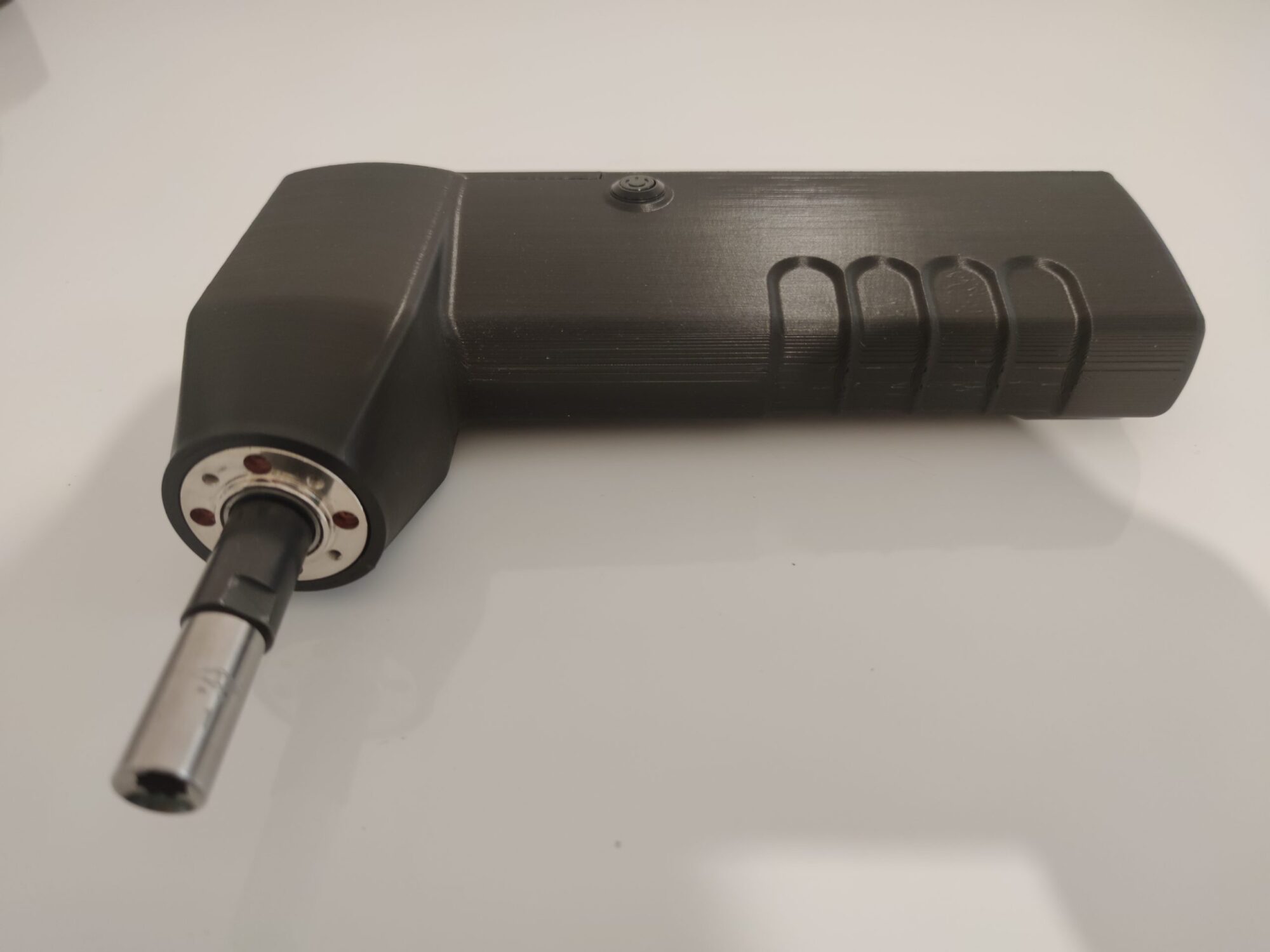
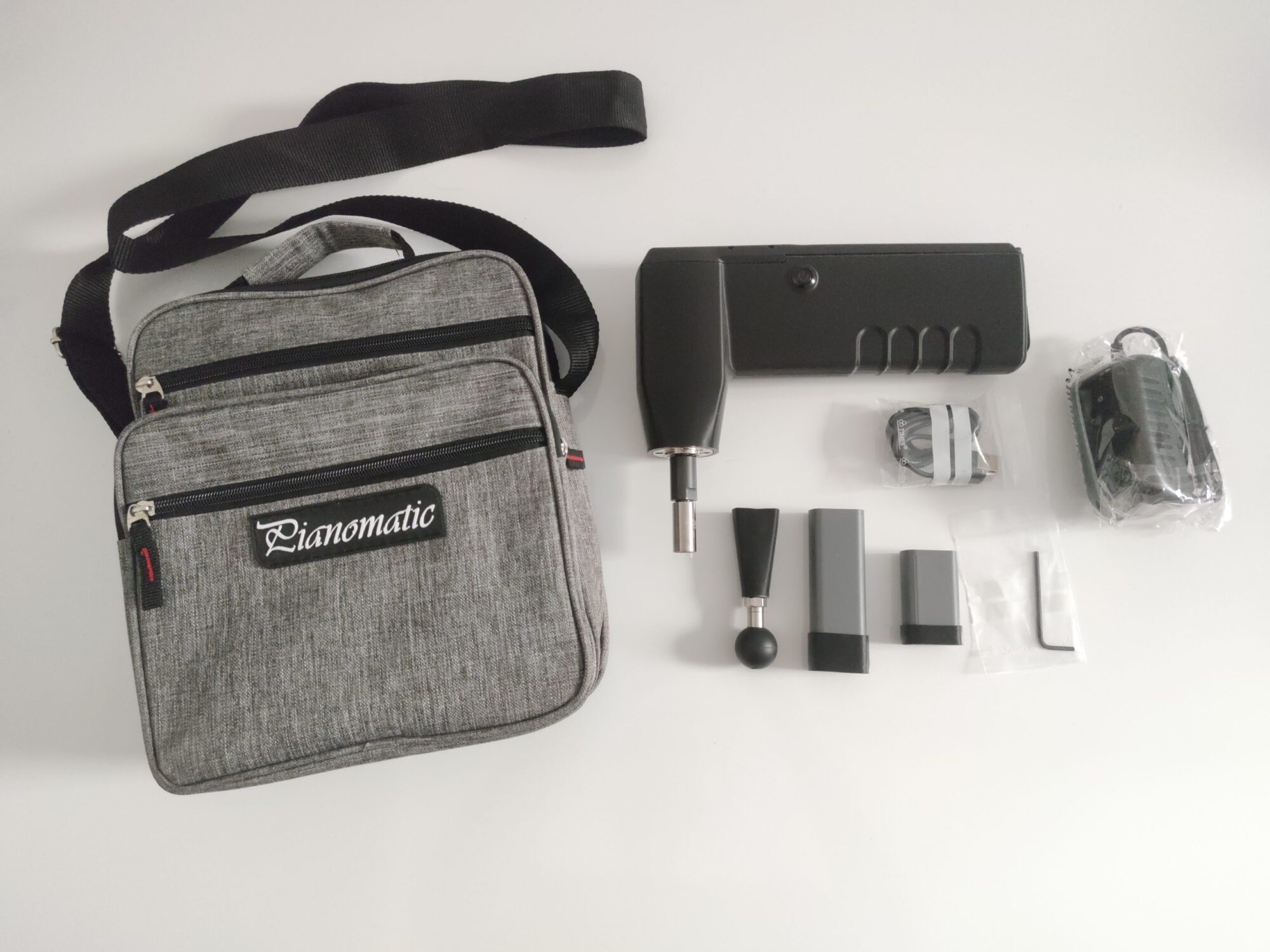
Three successive prototypes, each solving what the previous one left open: from the first, straight and on perfboard, which validated the Bluetooth communication and the rotation control; to the second, with its own PCB, more torque and a metal adapter for different pins; through to the third, with a touch sensor that allows rotation only while the tool is held, a TMC2130 driver controlled over SPI, a fixing for an articulated arm and a battery with an enclosure made to measure for the cells.
The collaboration focused on the early phases: concept development and building the prototypes. These are the three that were built, in order.
Prototype 1
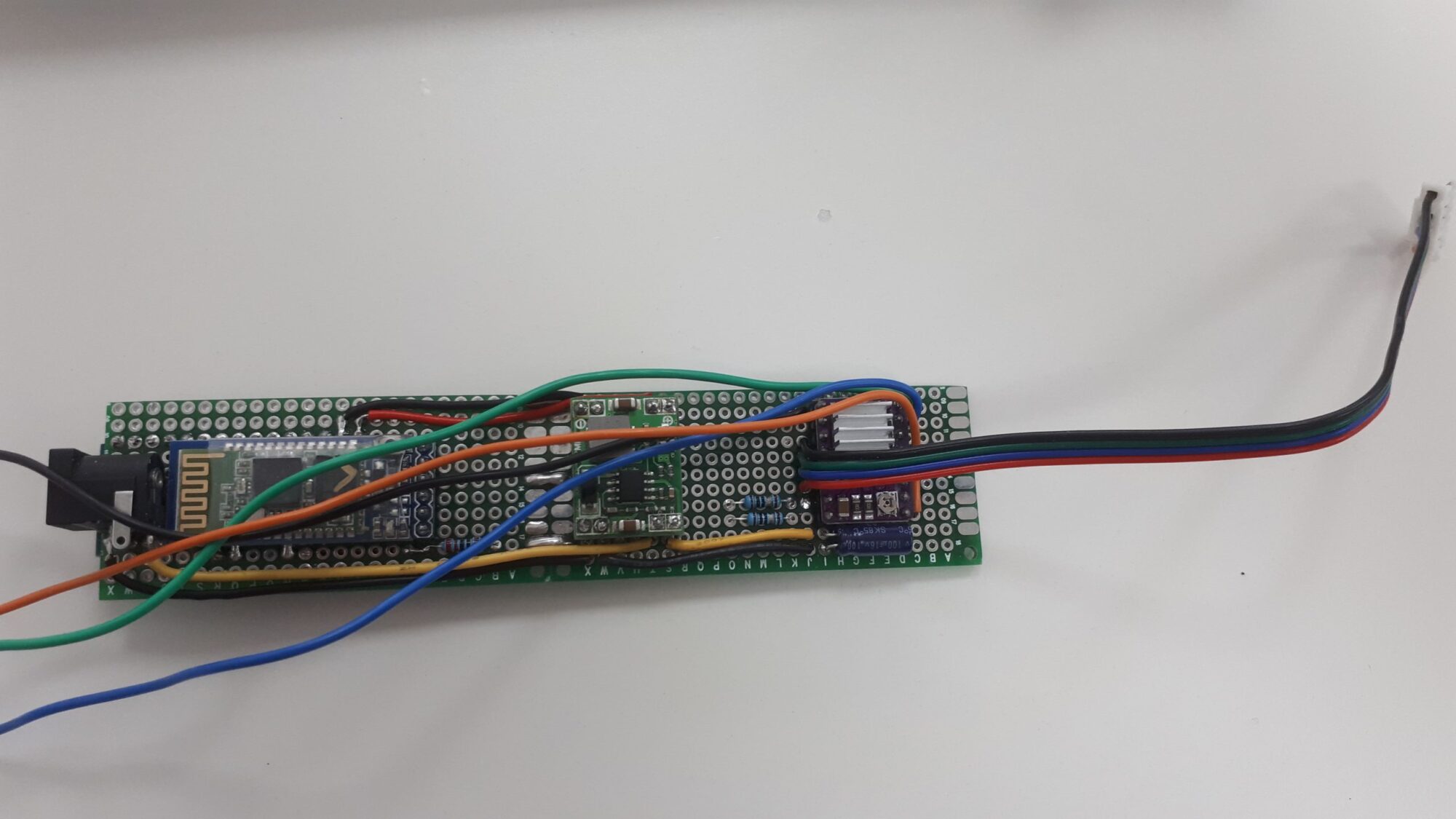
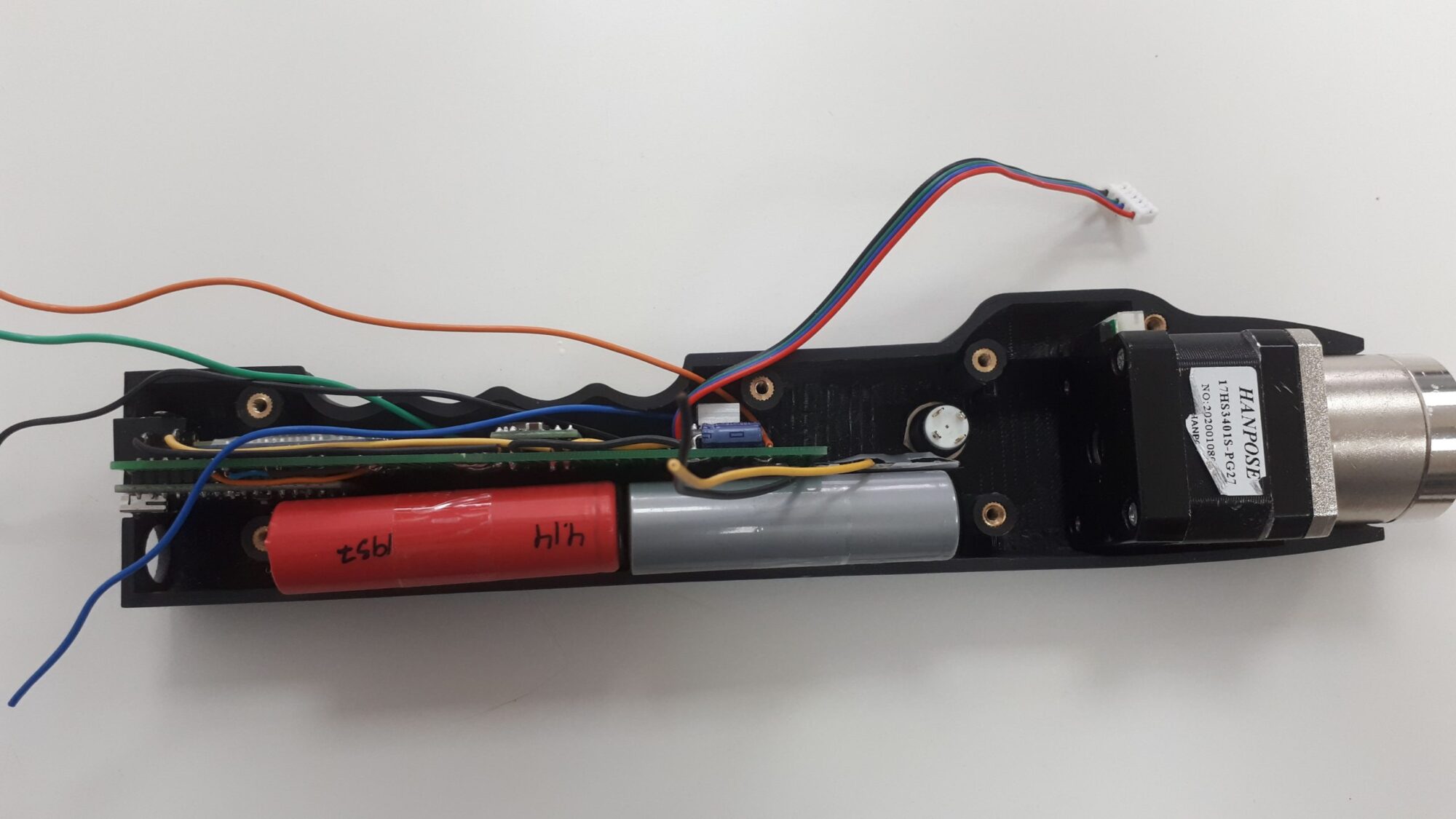
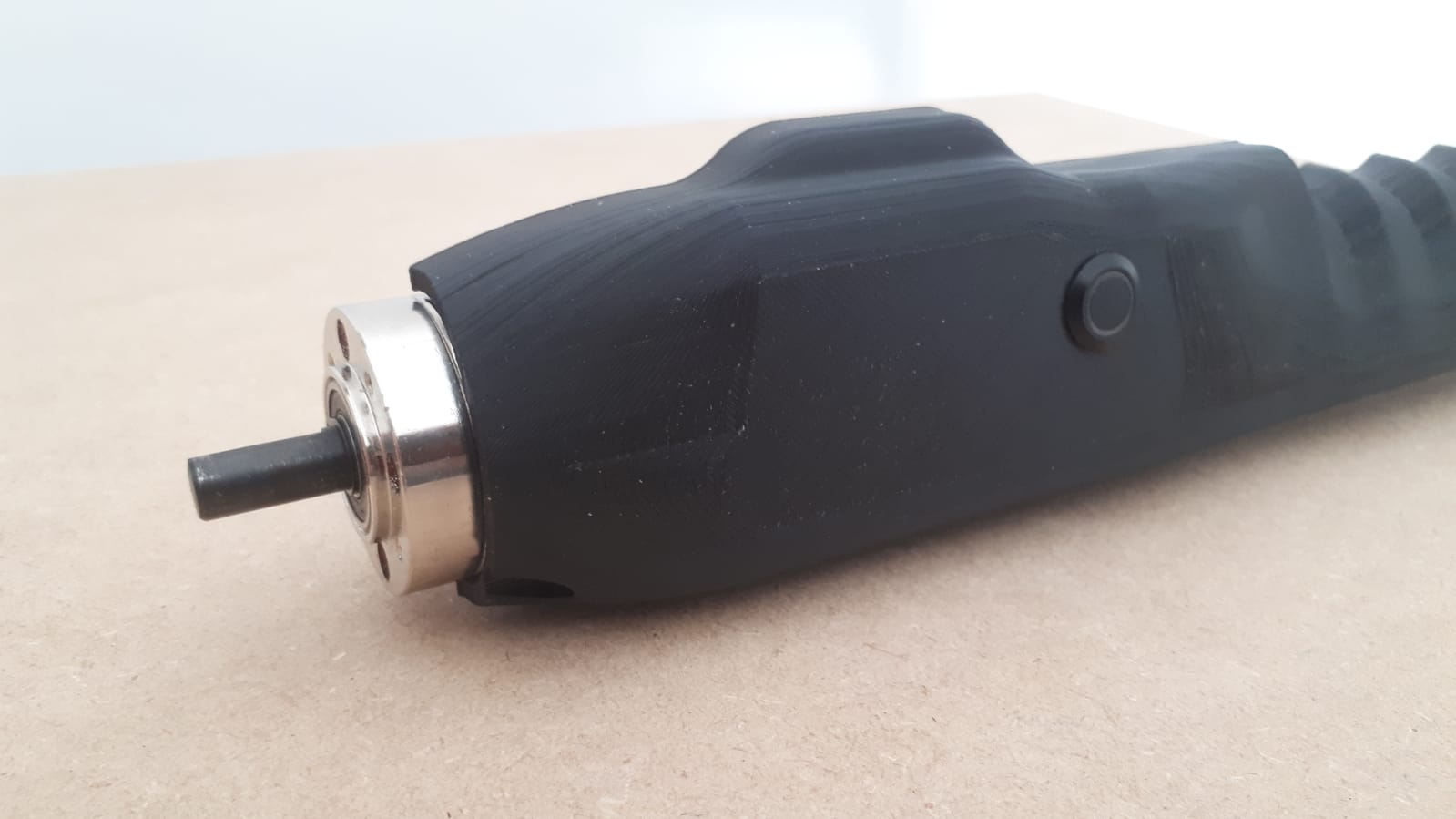
A straight, compact and simplified design, with the electronics mounted on perfboard and controlled by an Arduino microcontroller. This model made it possible to validate the Bluetooth communication, the rotation control and the basic concept of the system.
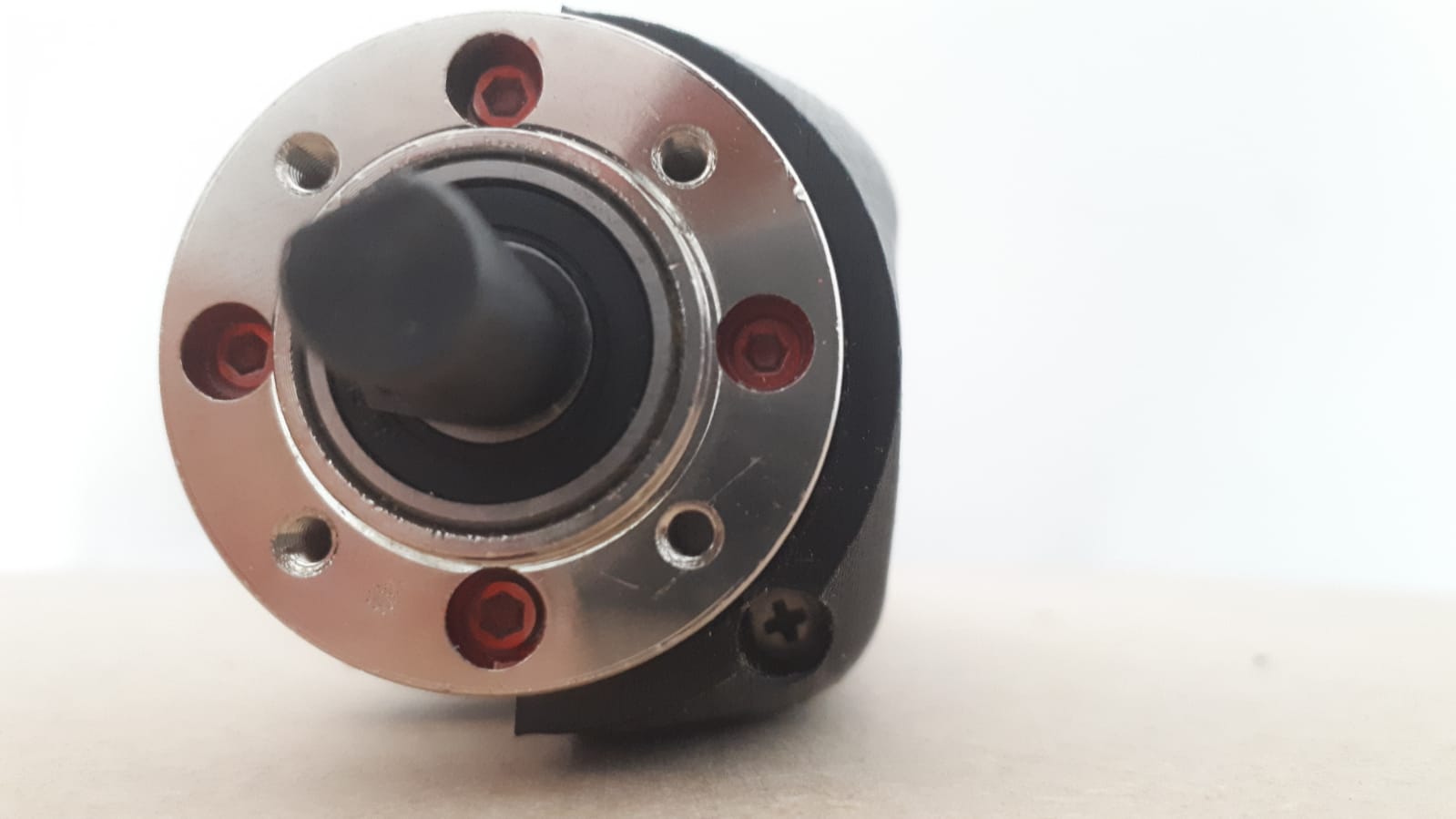
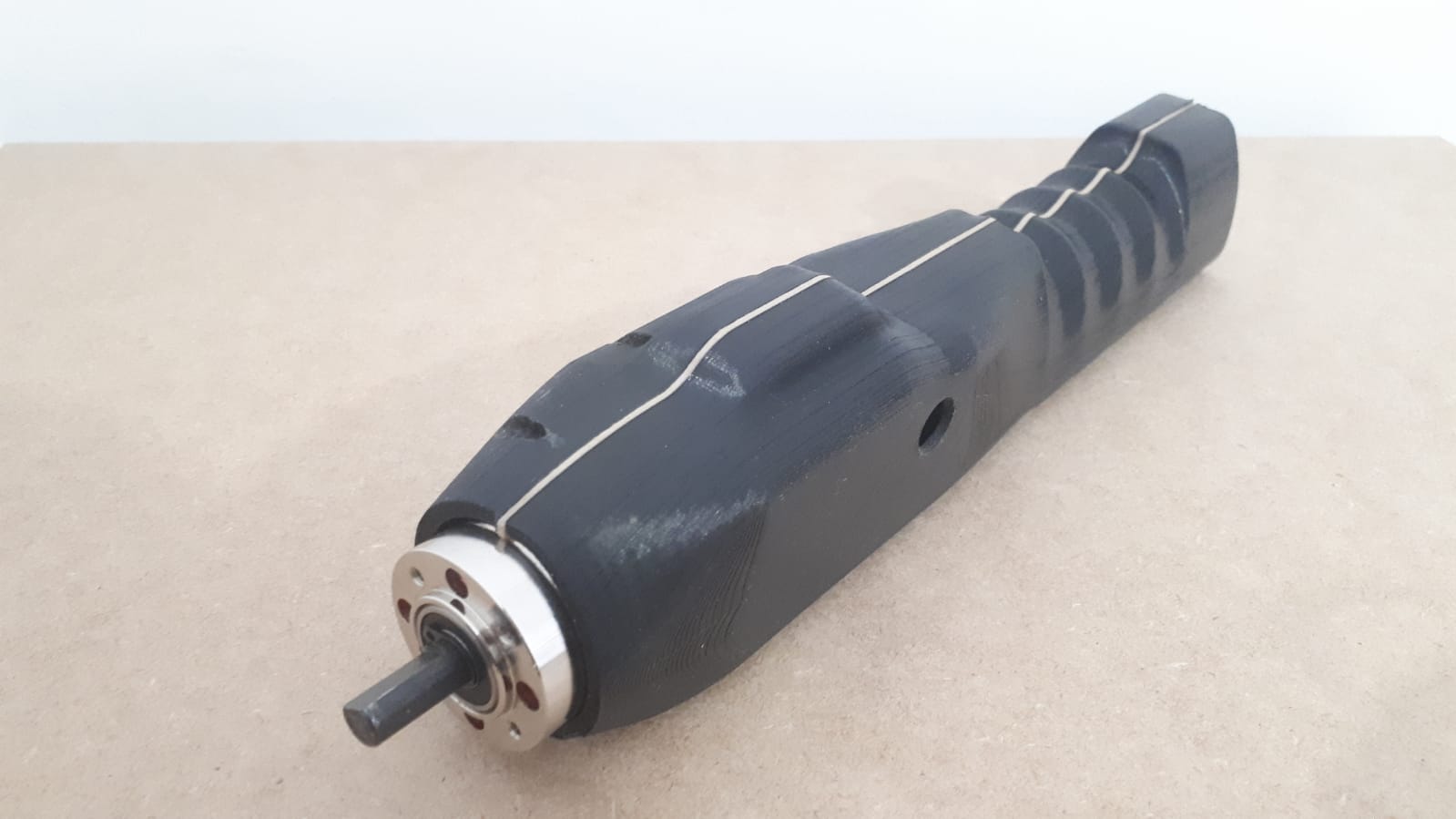
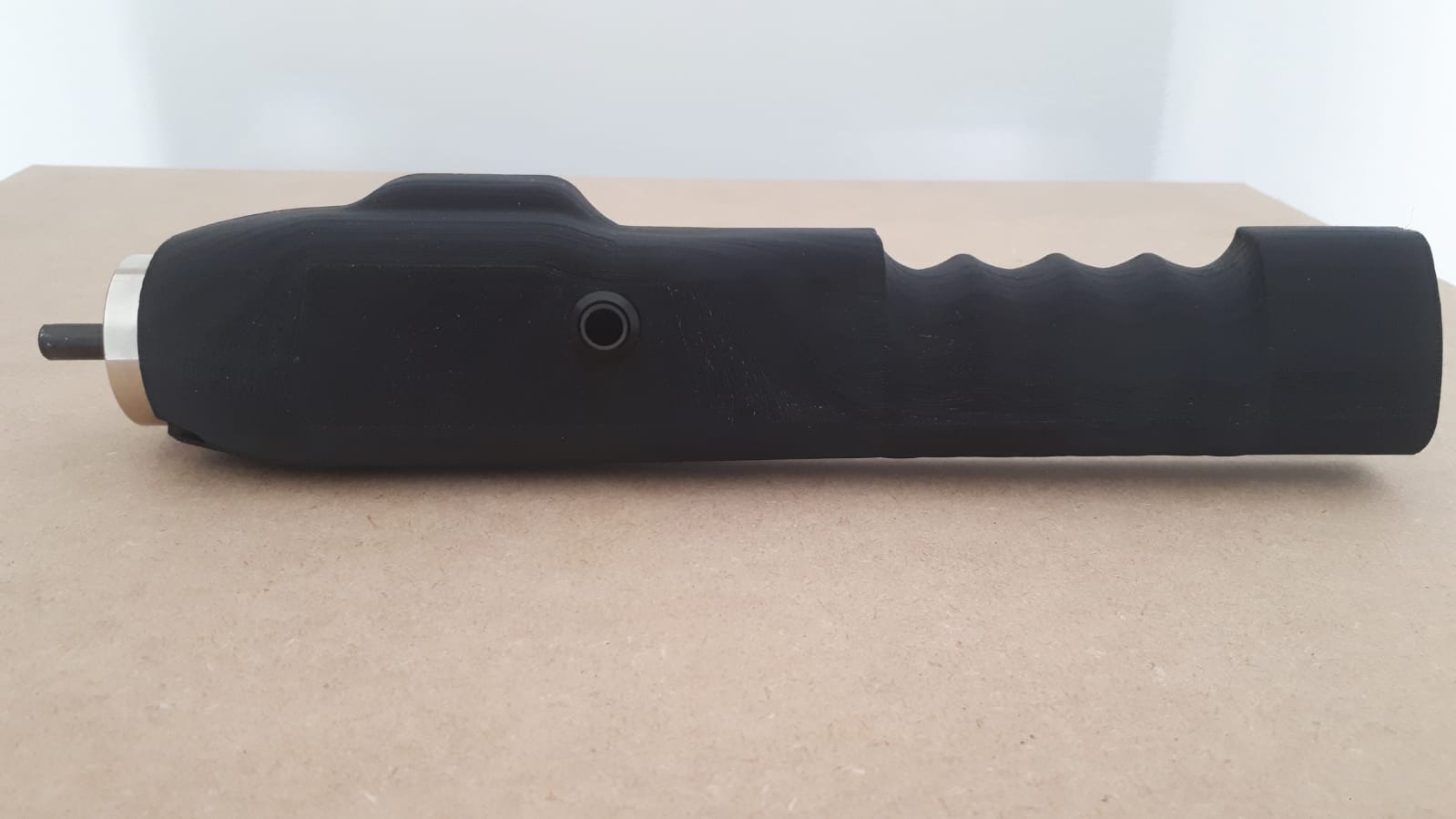
Click and drag to rotate the image.
Click and drag to rotate the image.
Prototype 2
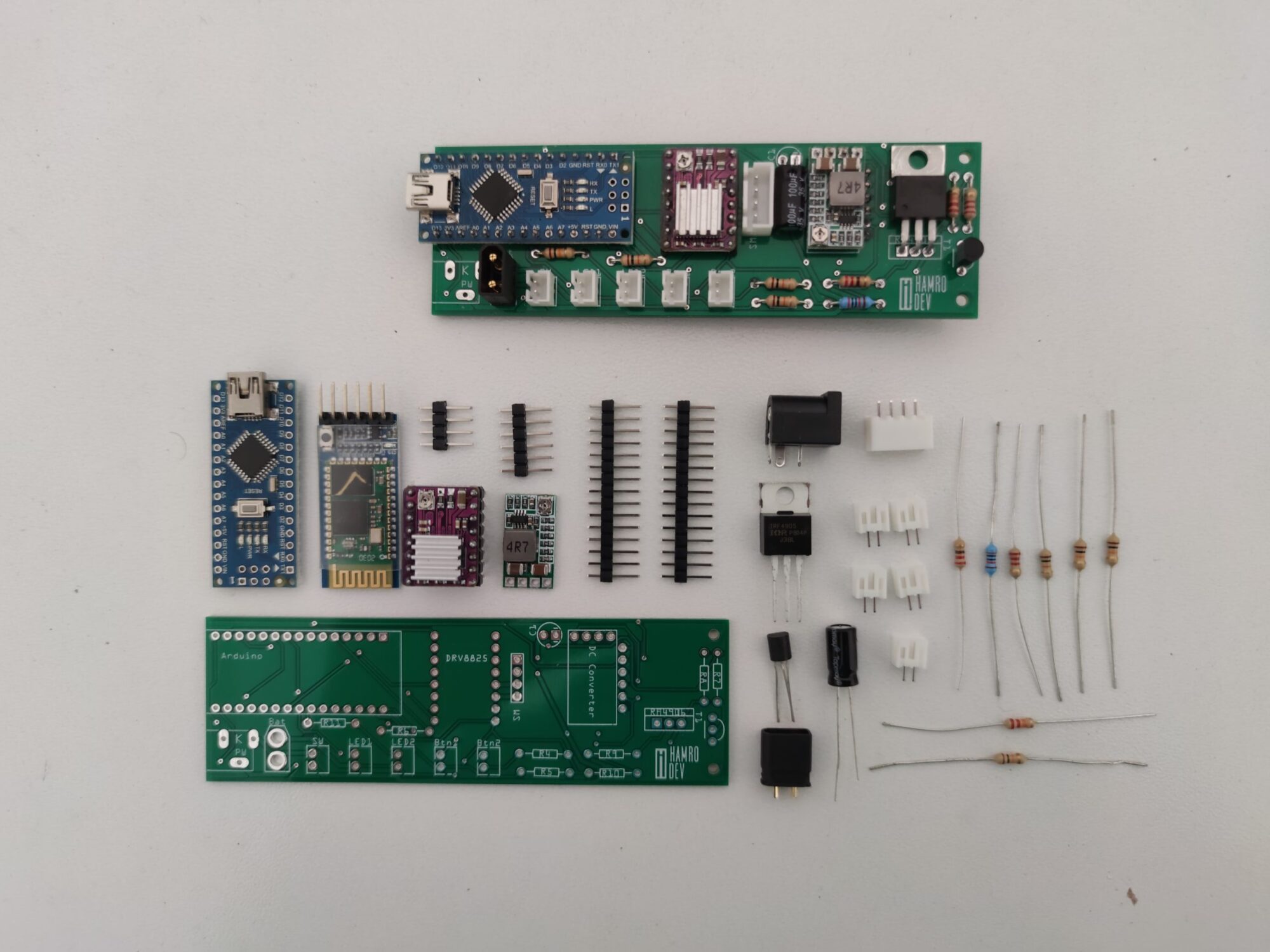
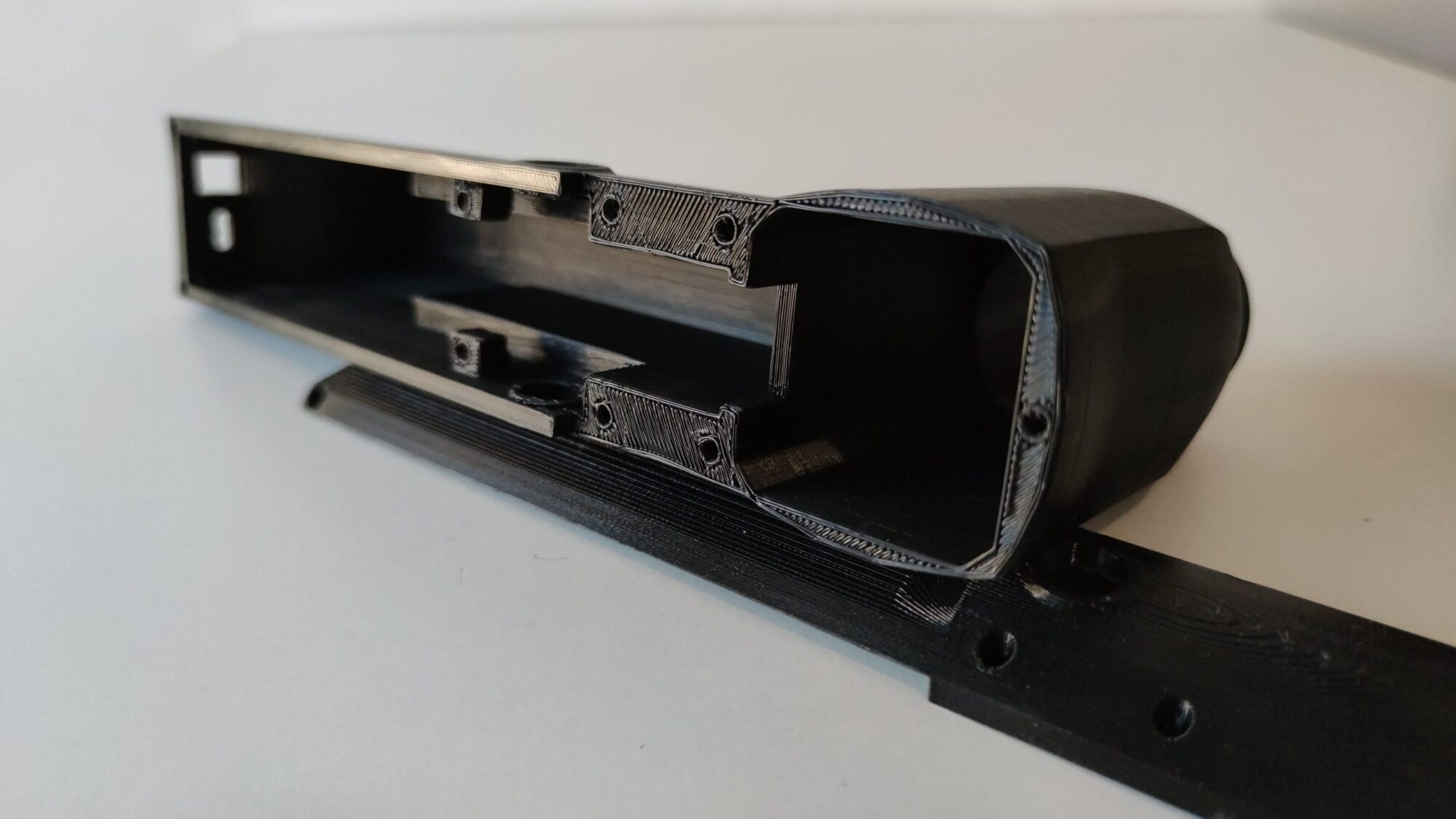
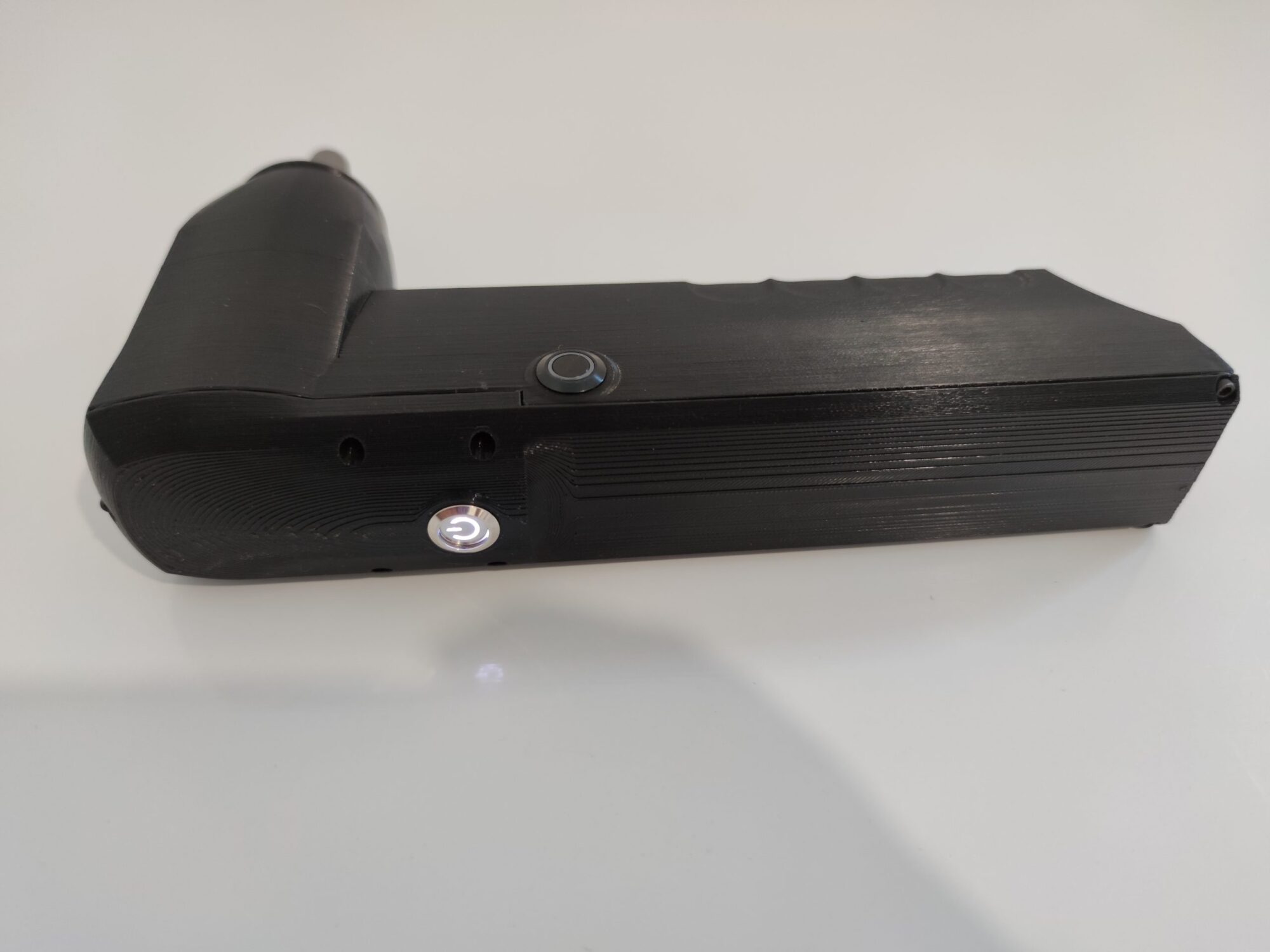
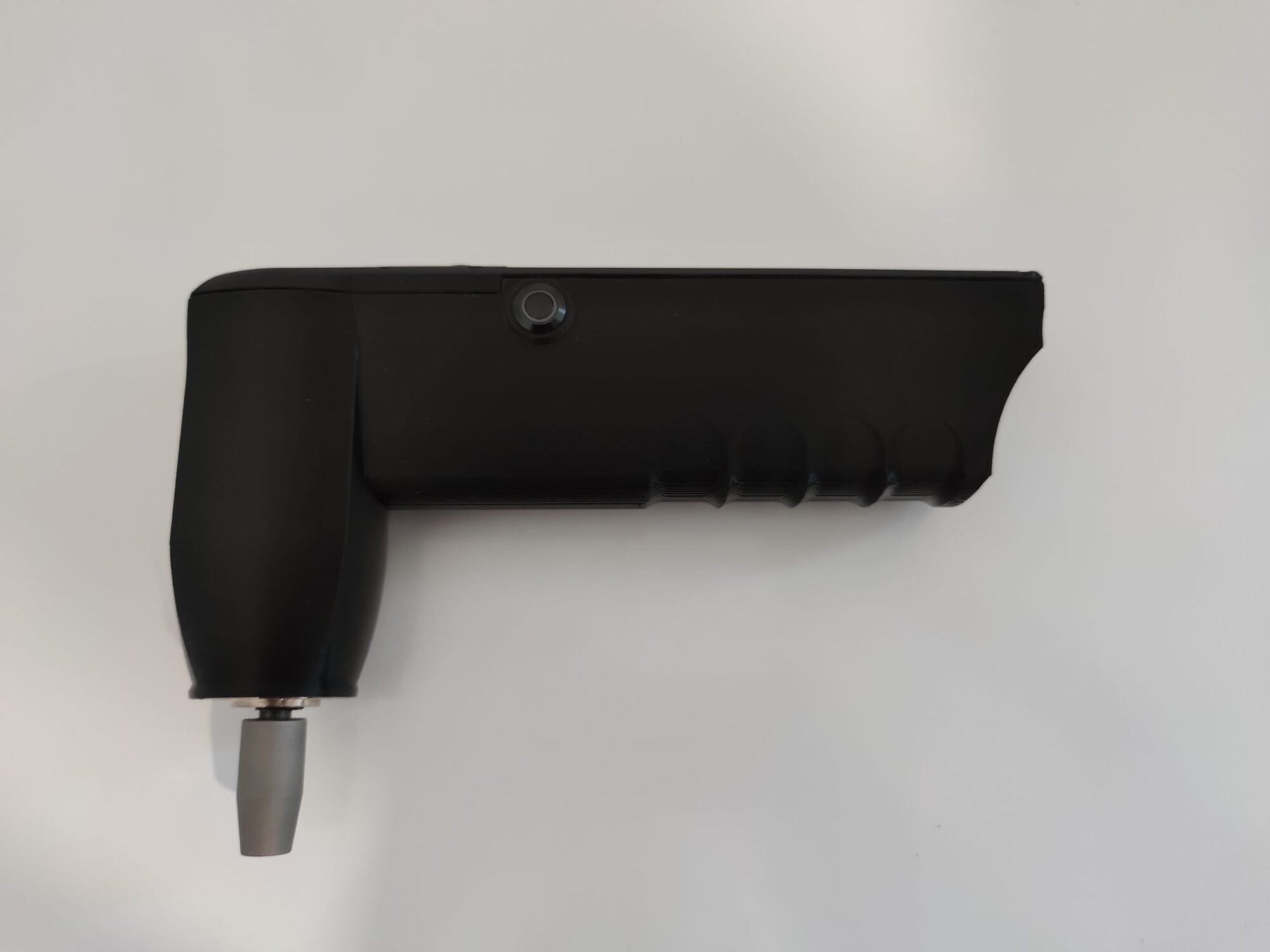
A more ergonomic and better adapted design, with a higher-torque motor and gearbox, a 3D-printed enclosure and electronics on a custom PCB, again based on Arduino architecture. This model included improvements to the power supply and to the overall integration, as well as a 3D-printed metal adapter to suit different types of tuning pin.
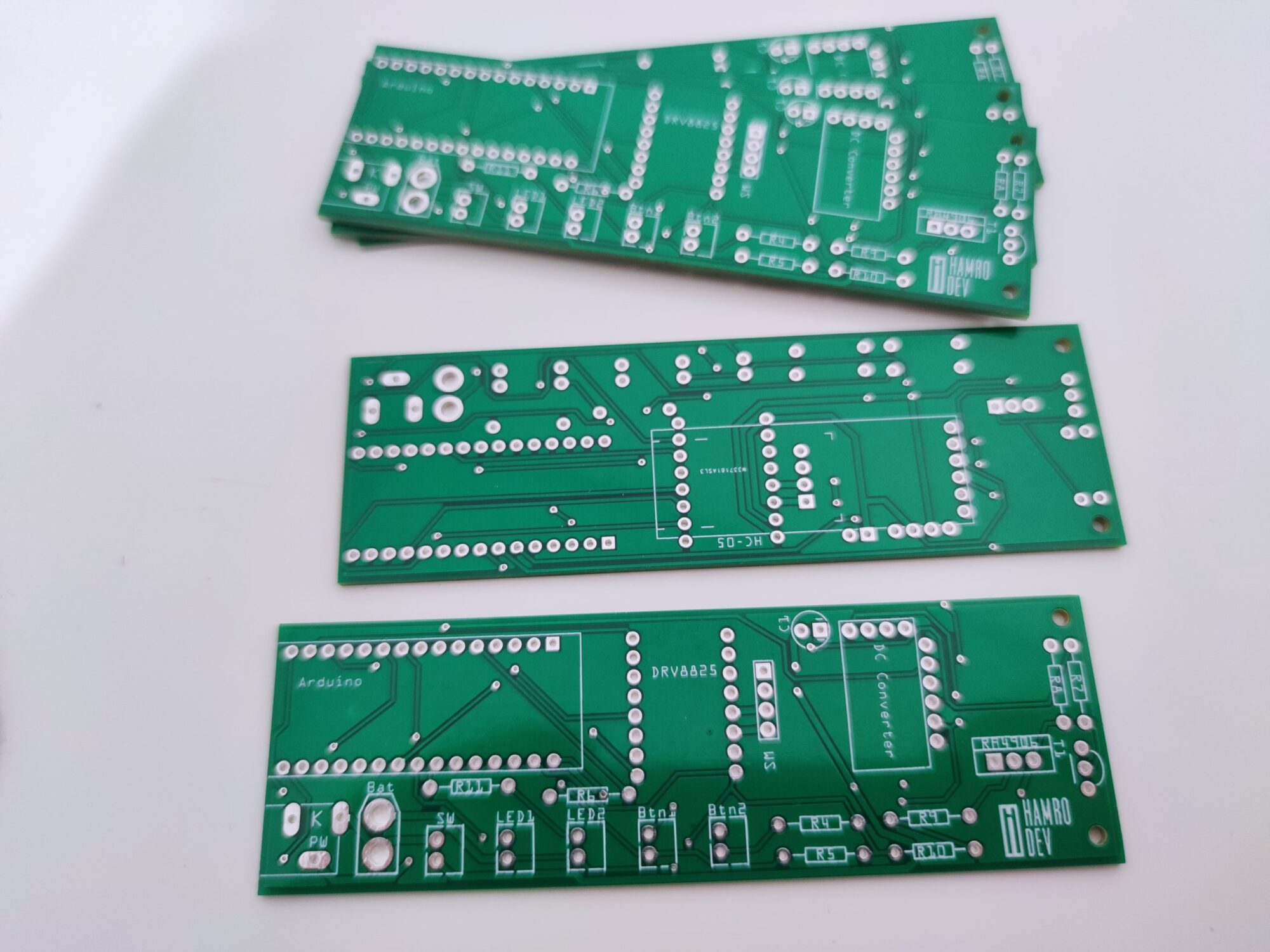
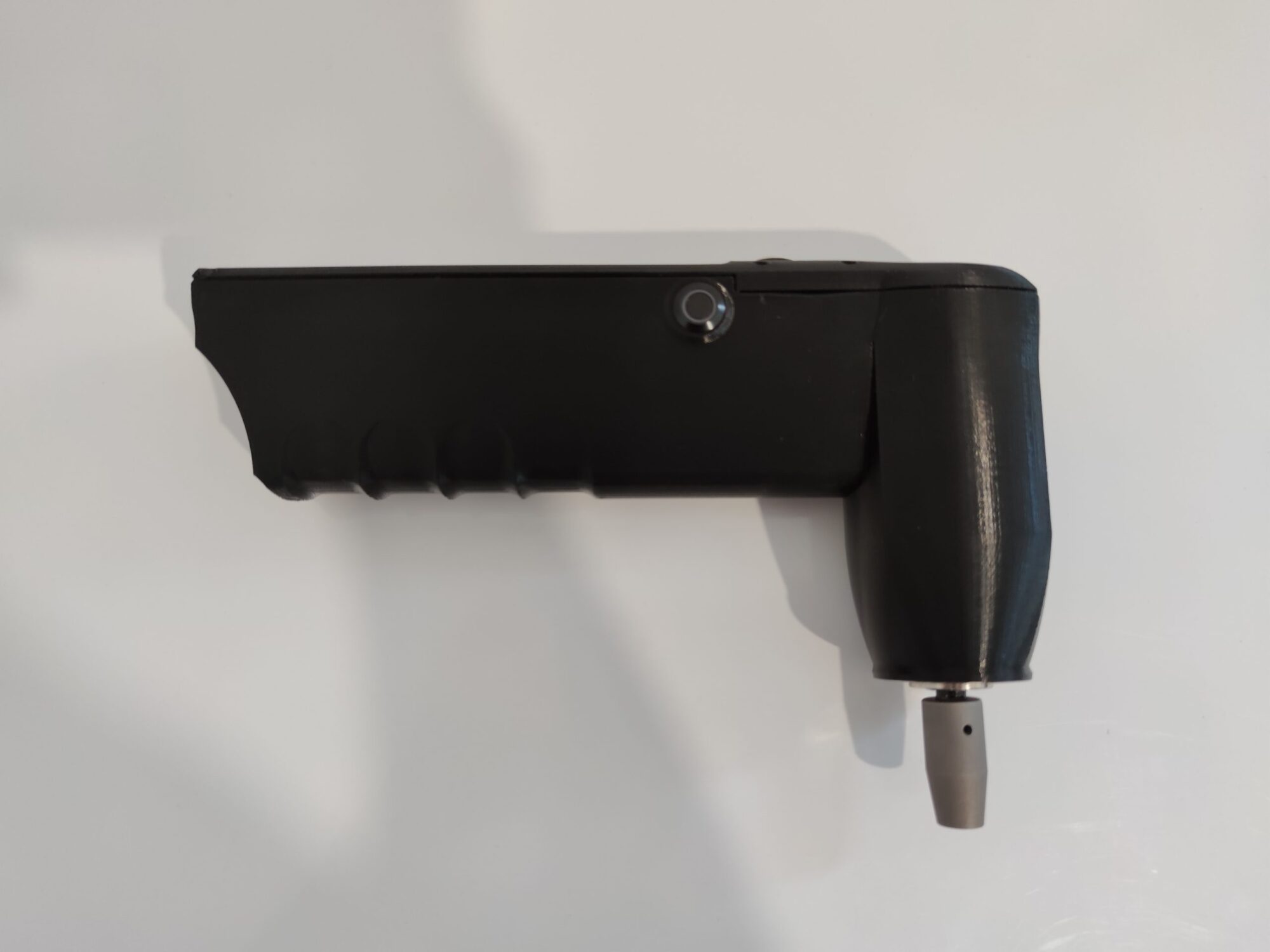
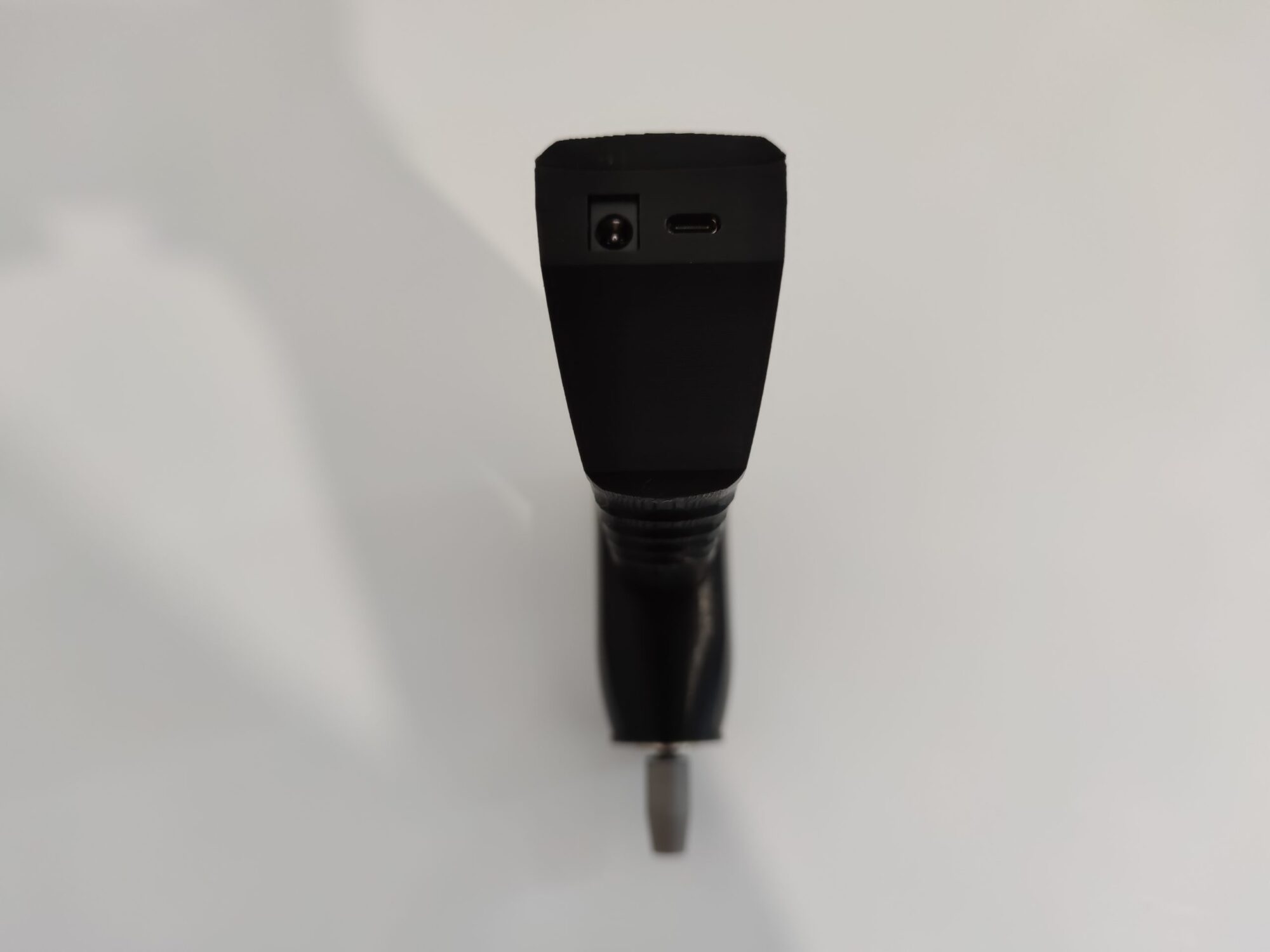
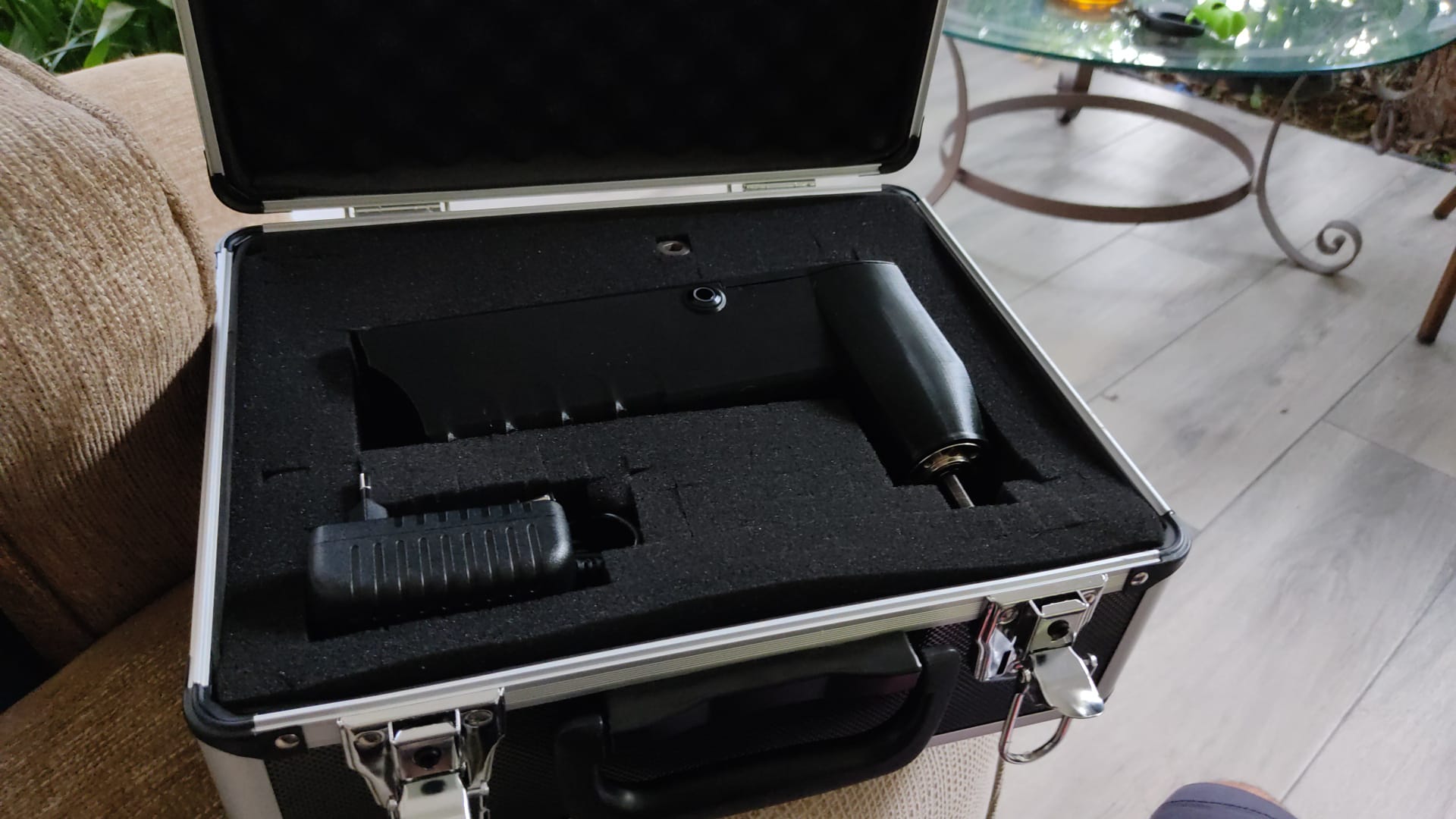
Click and drag to rotate the image.
Click and drag to rotate the image.
Prototype 3
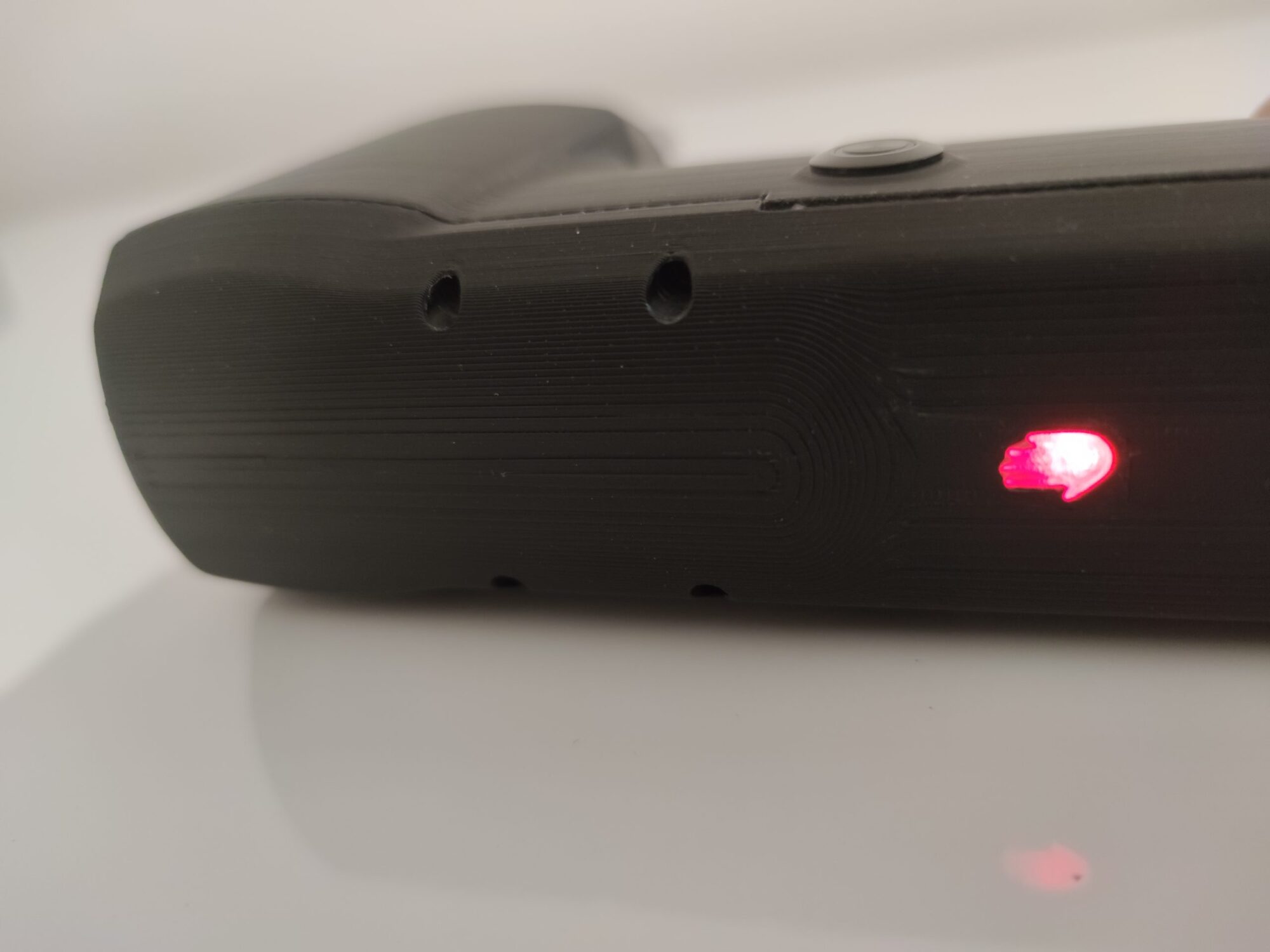
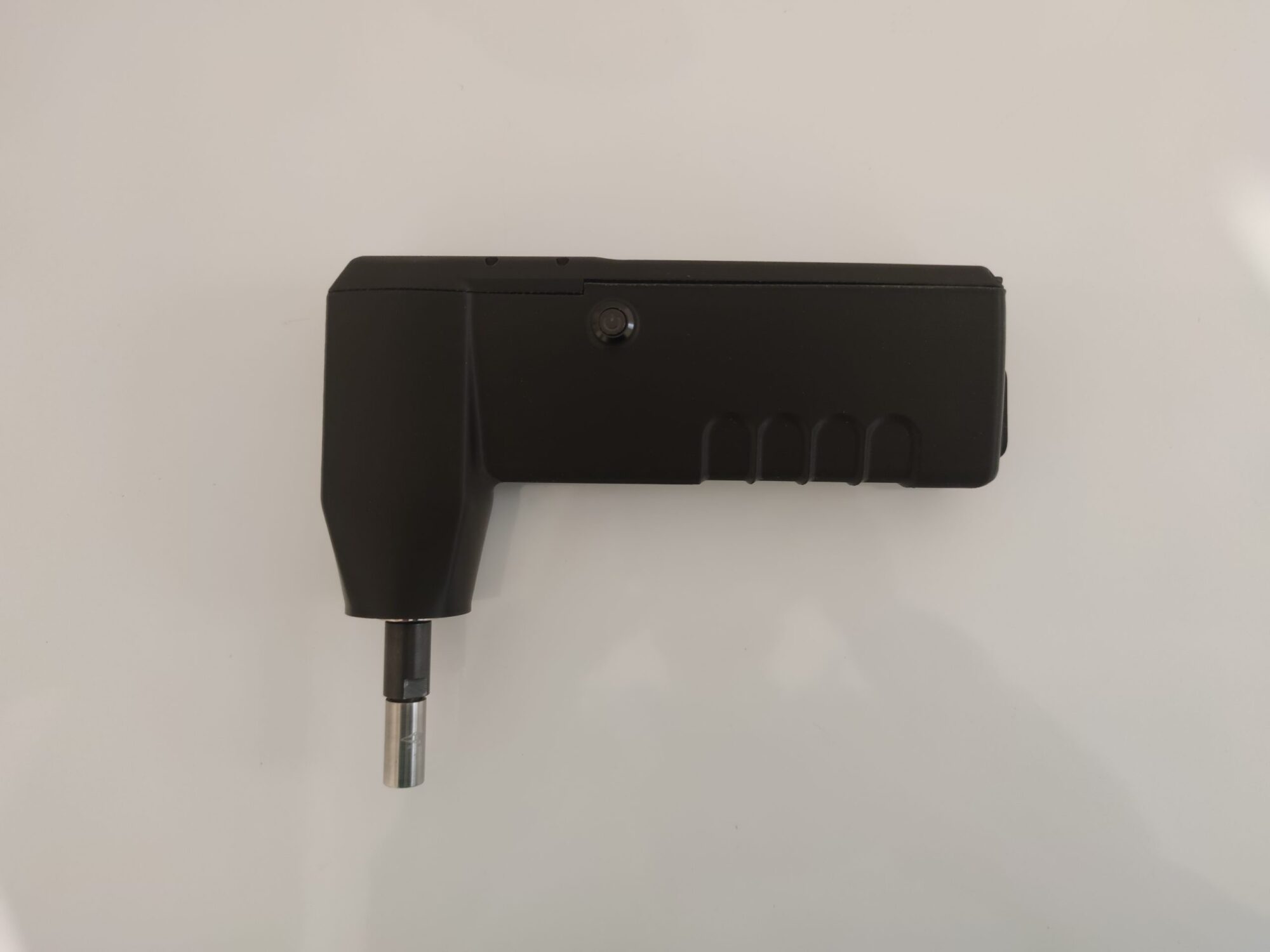
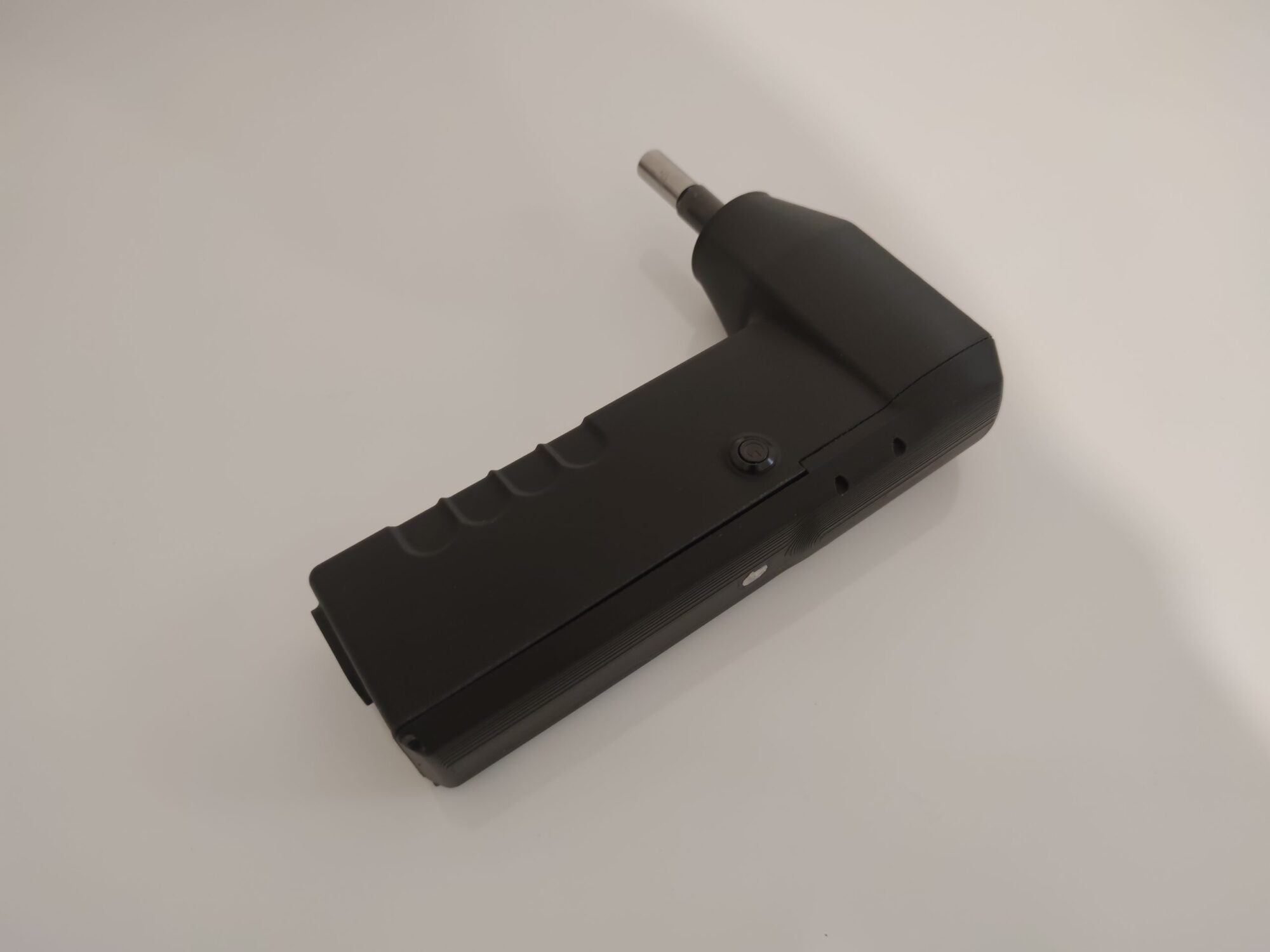
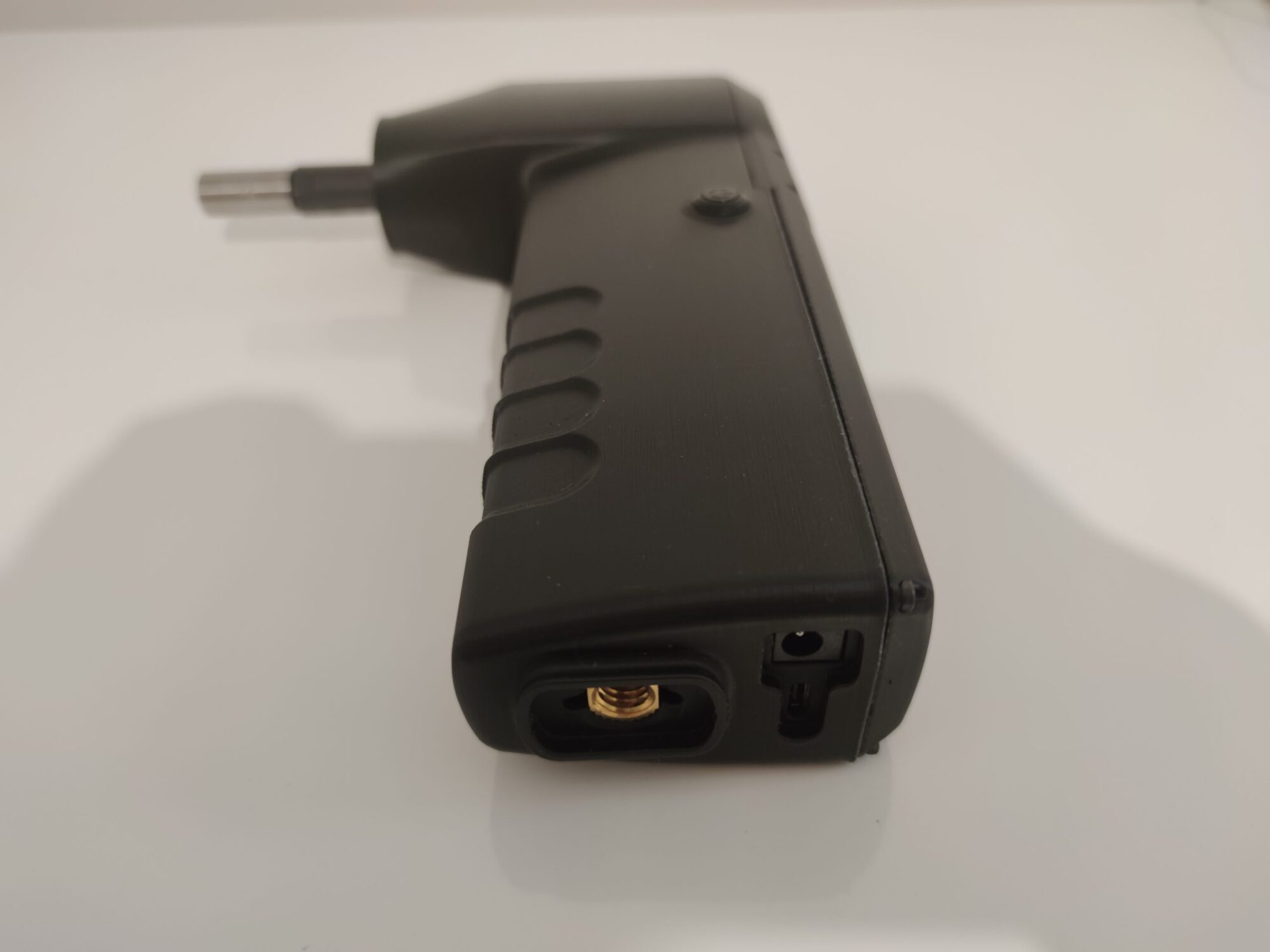
The enclosure was redesigned, keeping a simpler profile but adding new features: a touch sensor that lets the motor turn only while the tool is being held, stopping when it is released; a rear fixing for an articulated arm with two ball joints and accessories with different rubber pads (flat and spherical) to steady the tool on the pin block; an updated circuit with a TMC2130 driver, quieter, more powerful and controlled over SPI; and a fully custom battery system, with an enclosure designed to fit the cells and the BMS.
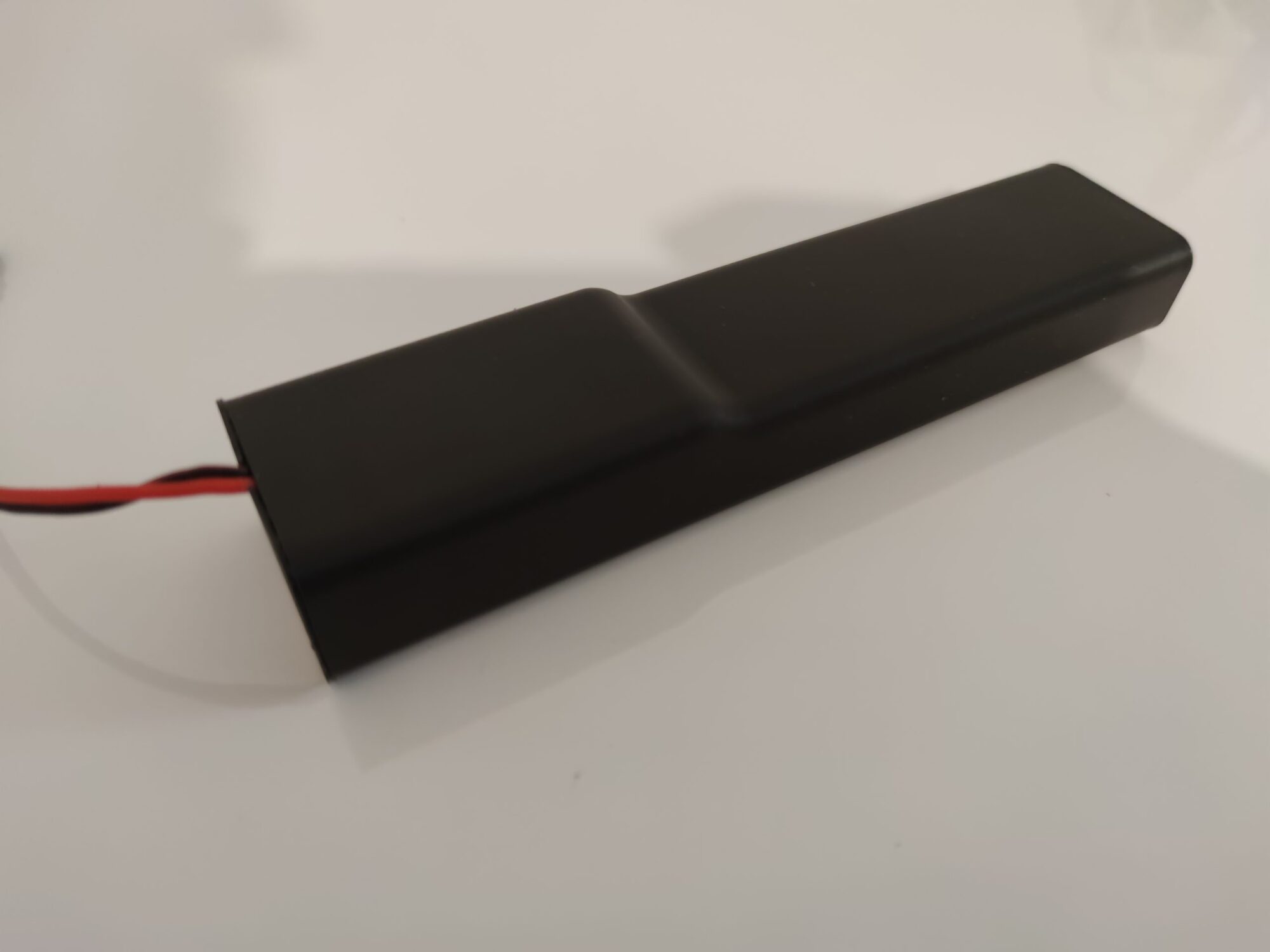
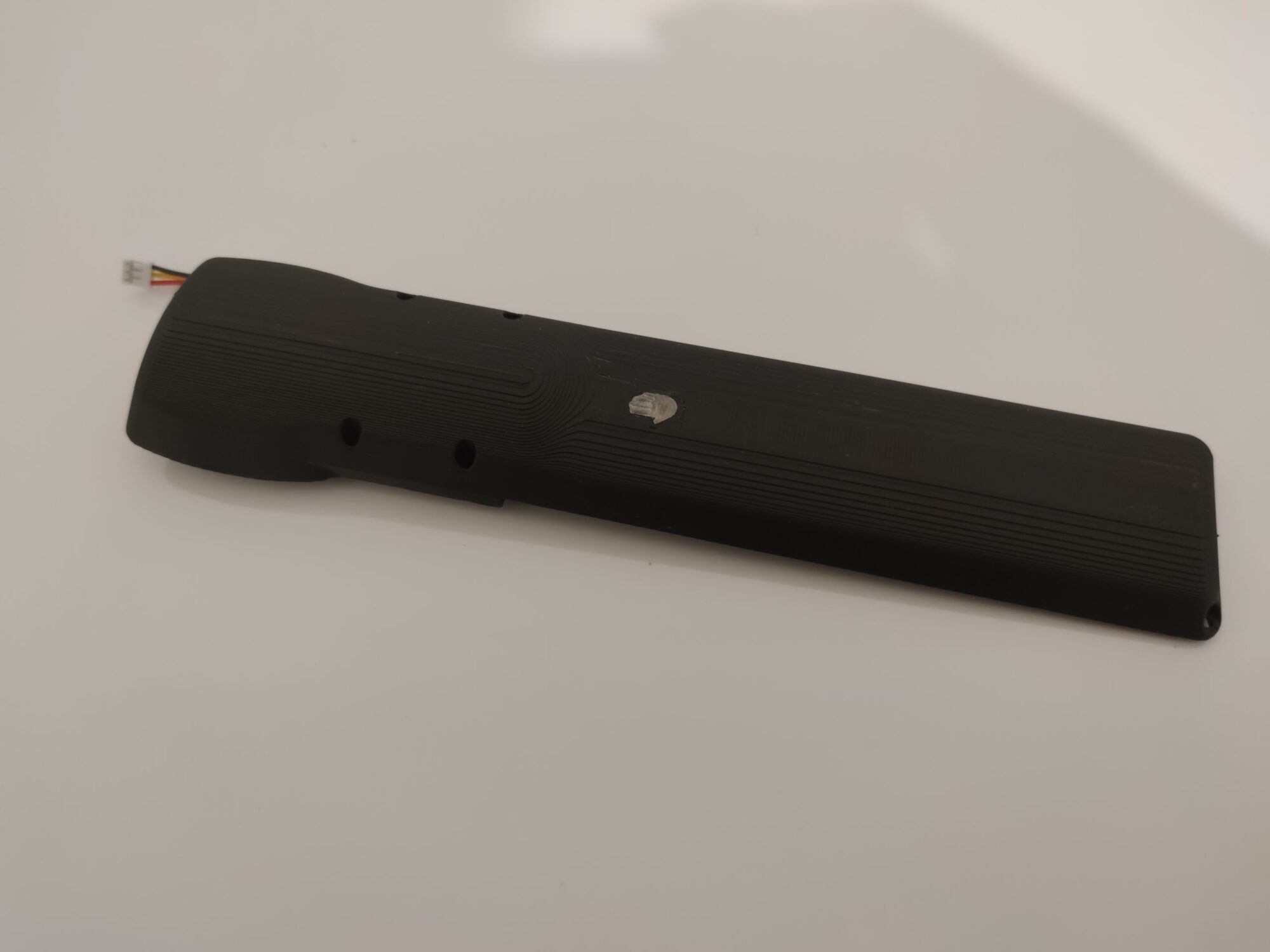
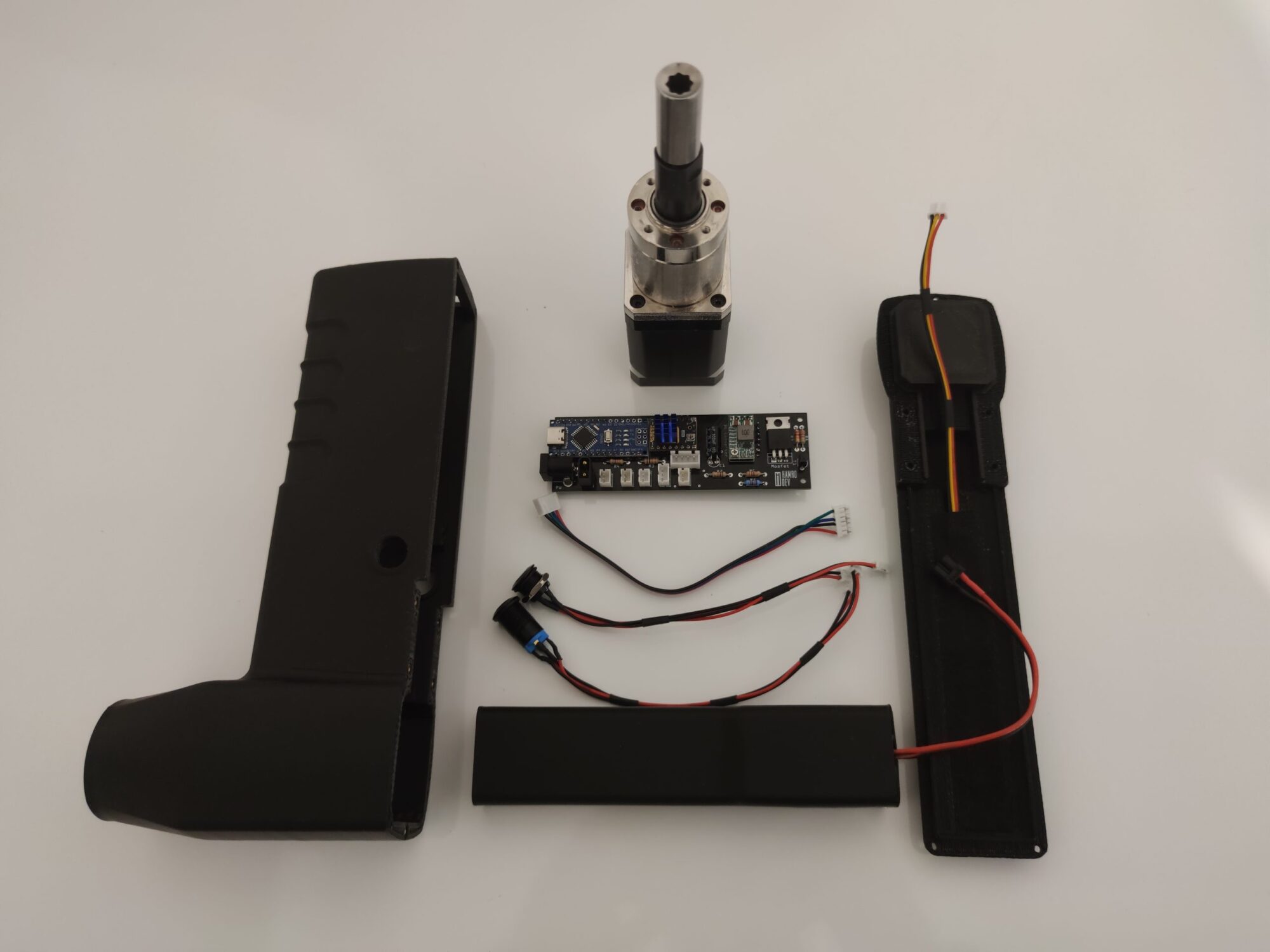
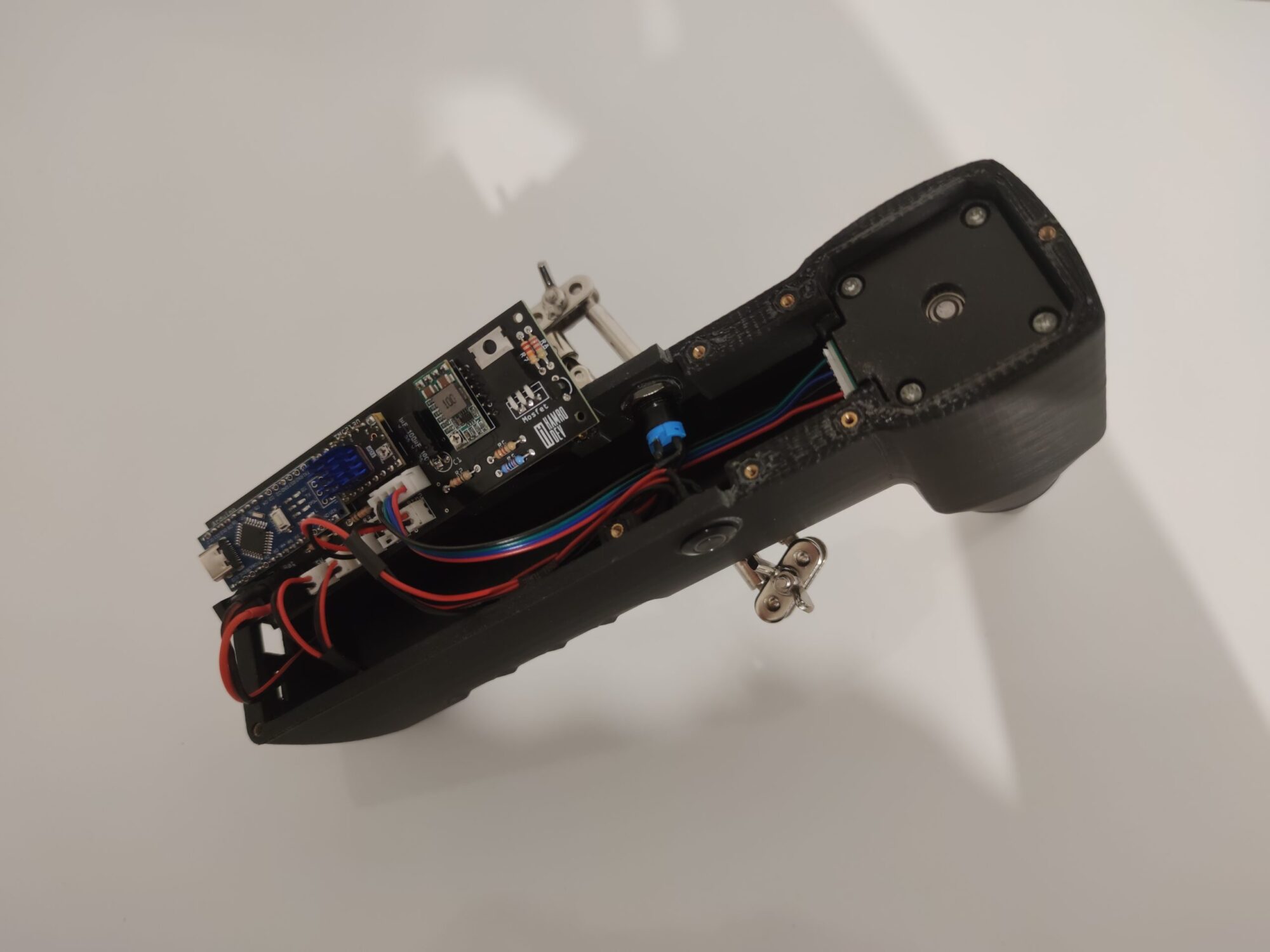
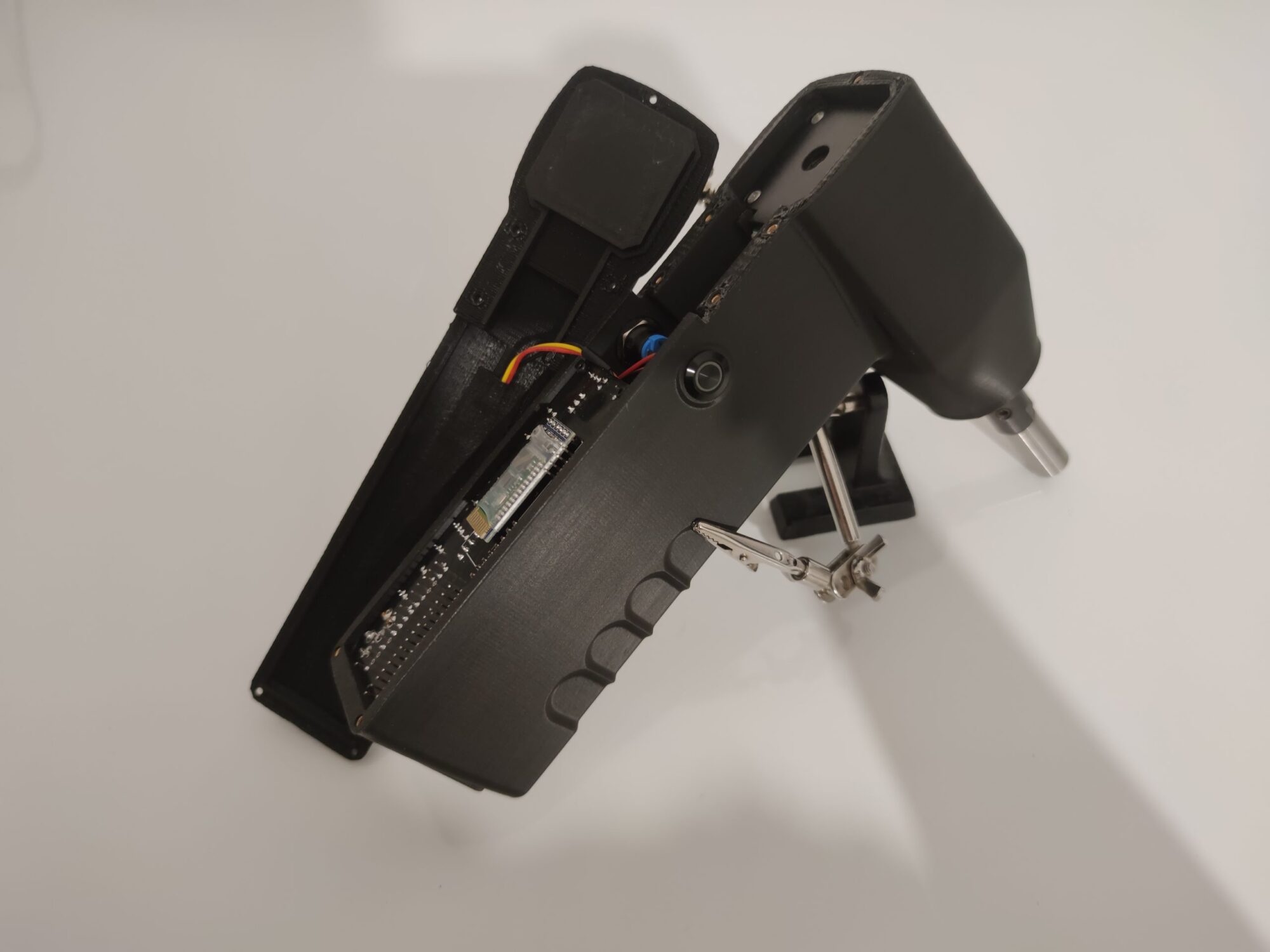
Click and drag to rotate the image.
Click and drag to rotate the image.
Work carried out.
The work provided included:
- Design and manufacture of the prototype hardware.
- Development of the custom PCB for motor control and communication.
- CAD design and 3D printing of the enclosures and adapters.
- Integration of the touch sensor and updating of the control system.
- Design of the battery mounting system
This project was not only a multidisciplinary technical challenge but also an example of collaboration between software and hardware development to solve a real need in an innovative way.