Motorised rail for a projection screen
A motorised system delivered with control from a phone and integration with Alexa and Google Home.
The challenge
A projection screen had to stay hidden inside a cabinet and come out into position only when it was going to be used. Lowering it is not enough: it has to be brought forward first, because inside the cabinet there is no room for it to unroll.
The constraints
There are two chained movements in an order that cannot be altered: extend the rails and then unroll the screen; on retracting, the opposite. If a power cut interrupts the sequence half way, the system has to know where it stopped, or on starting up it would force the mechanism.
The solution
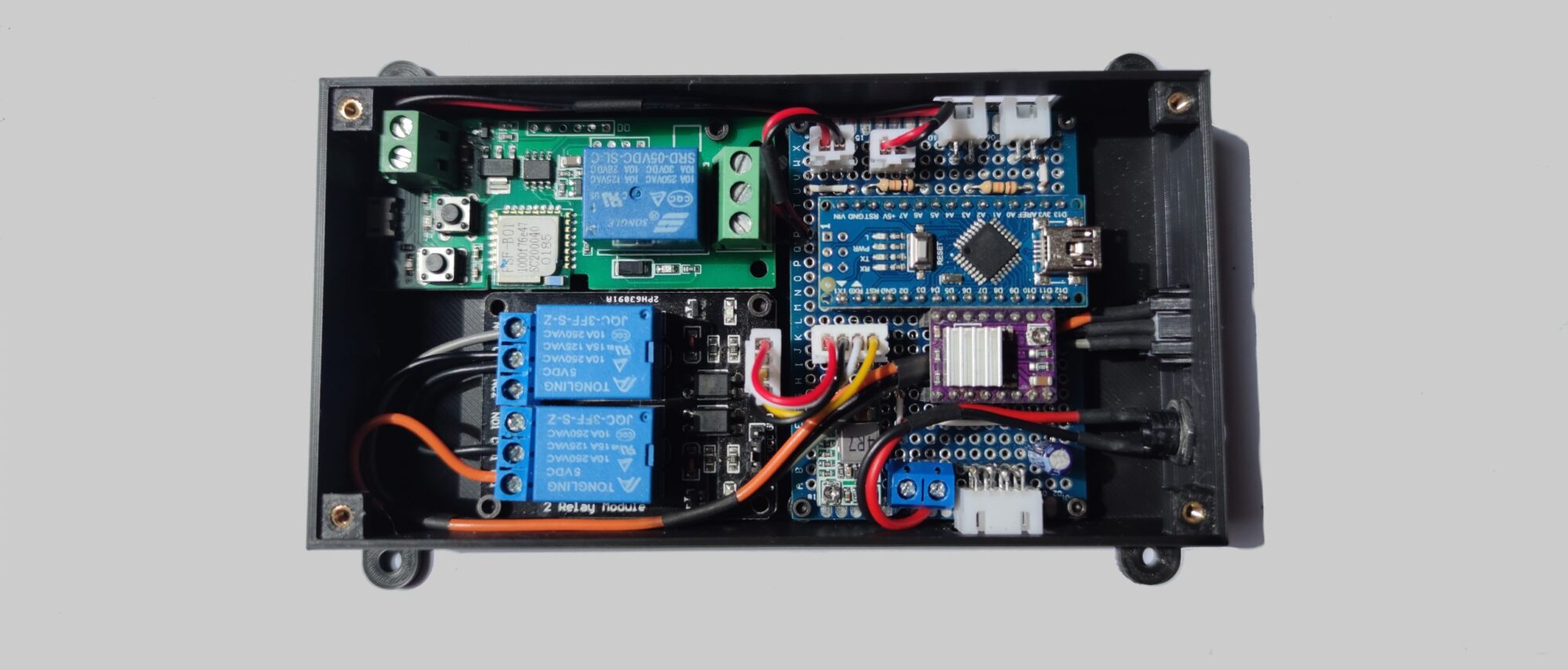
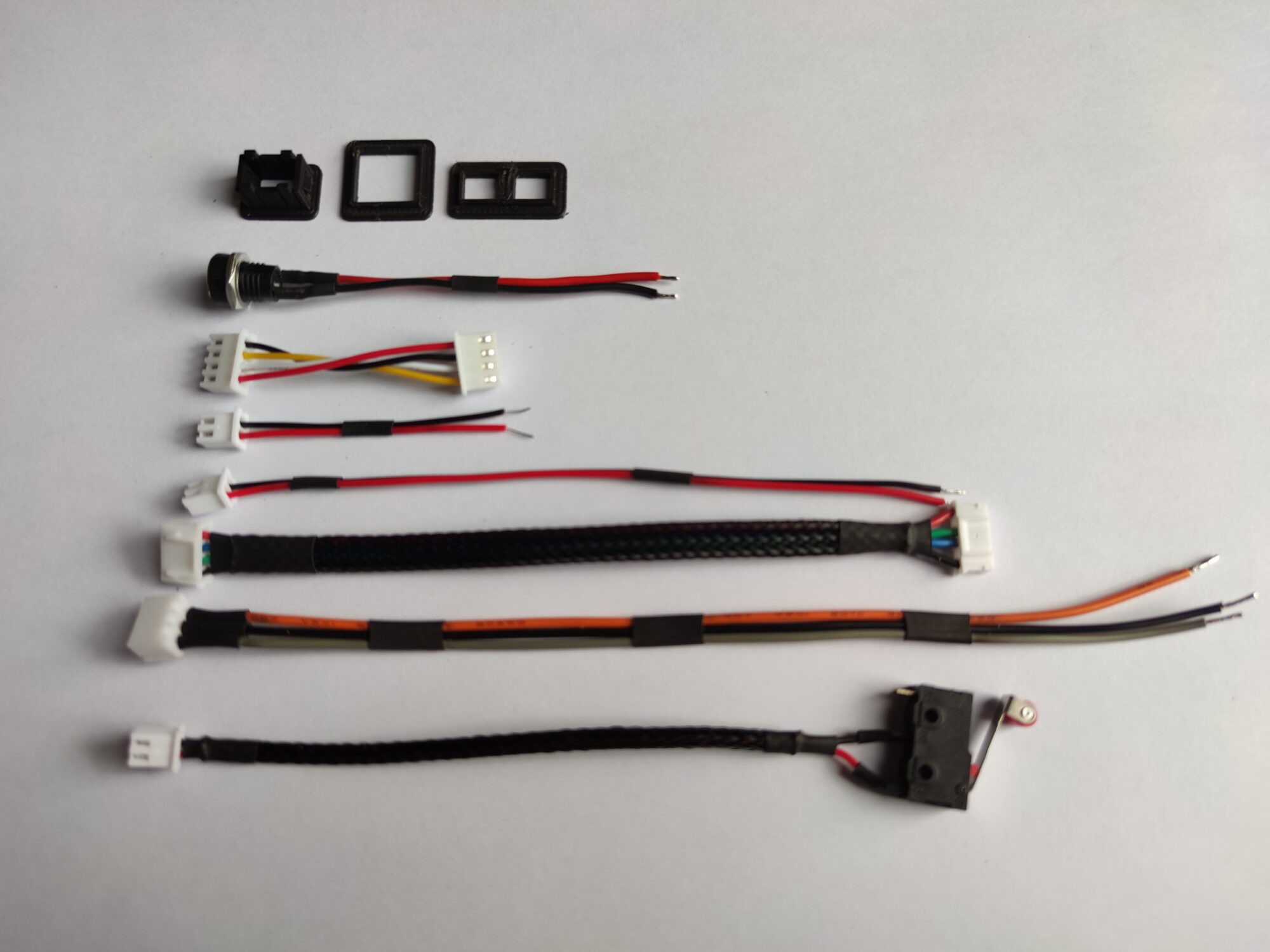
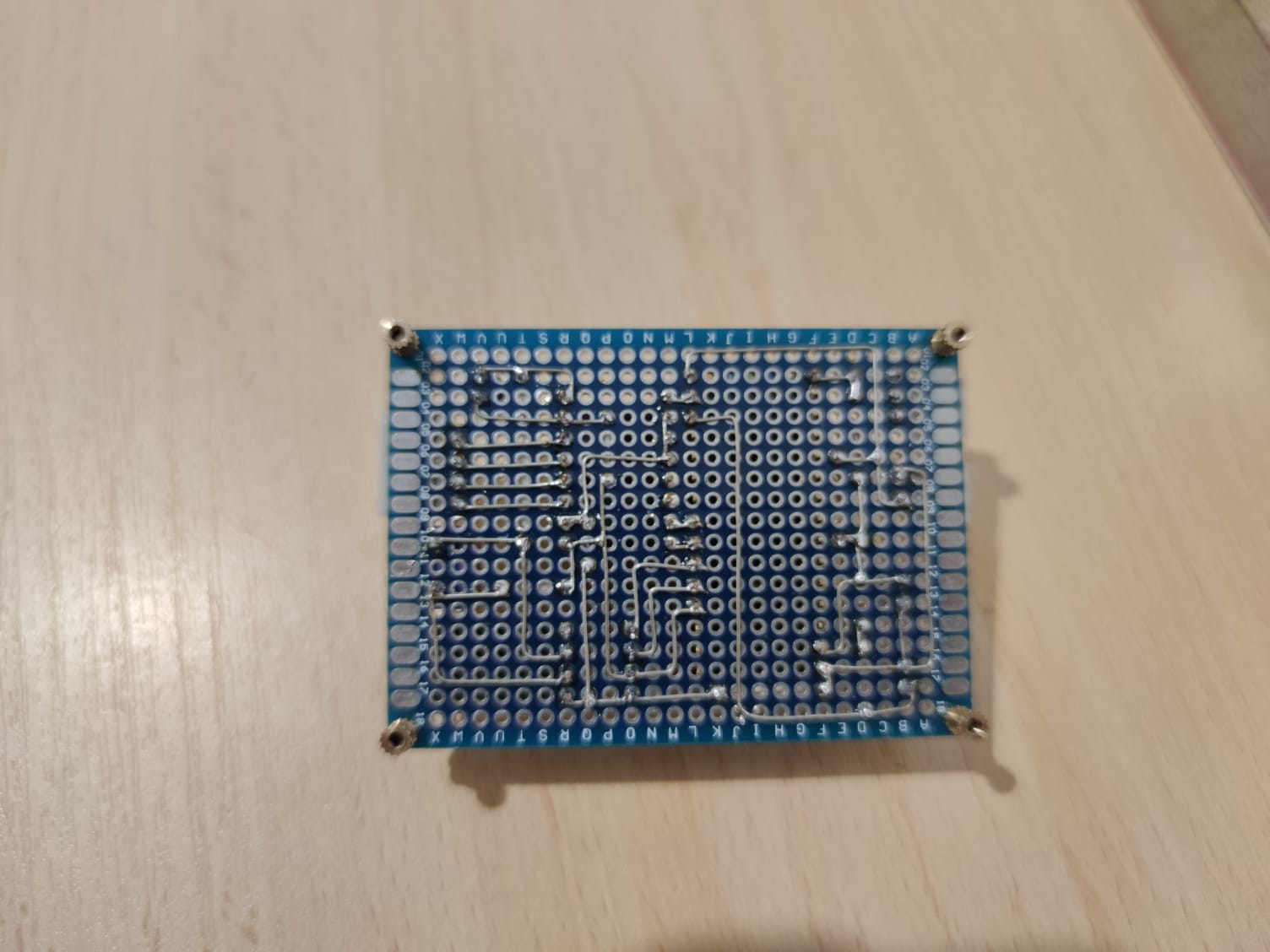
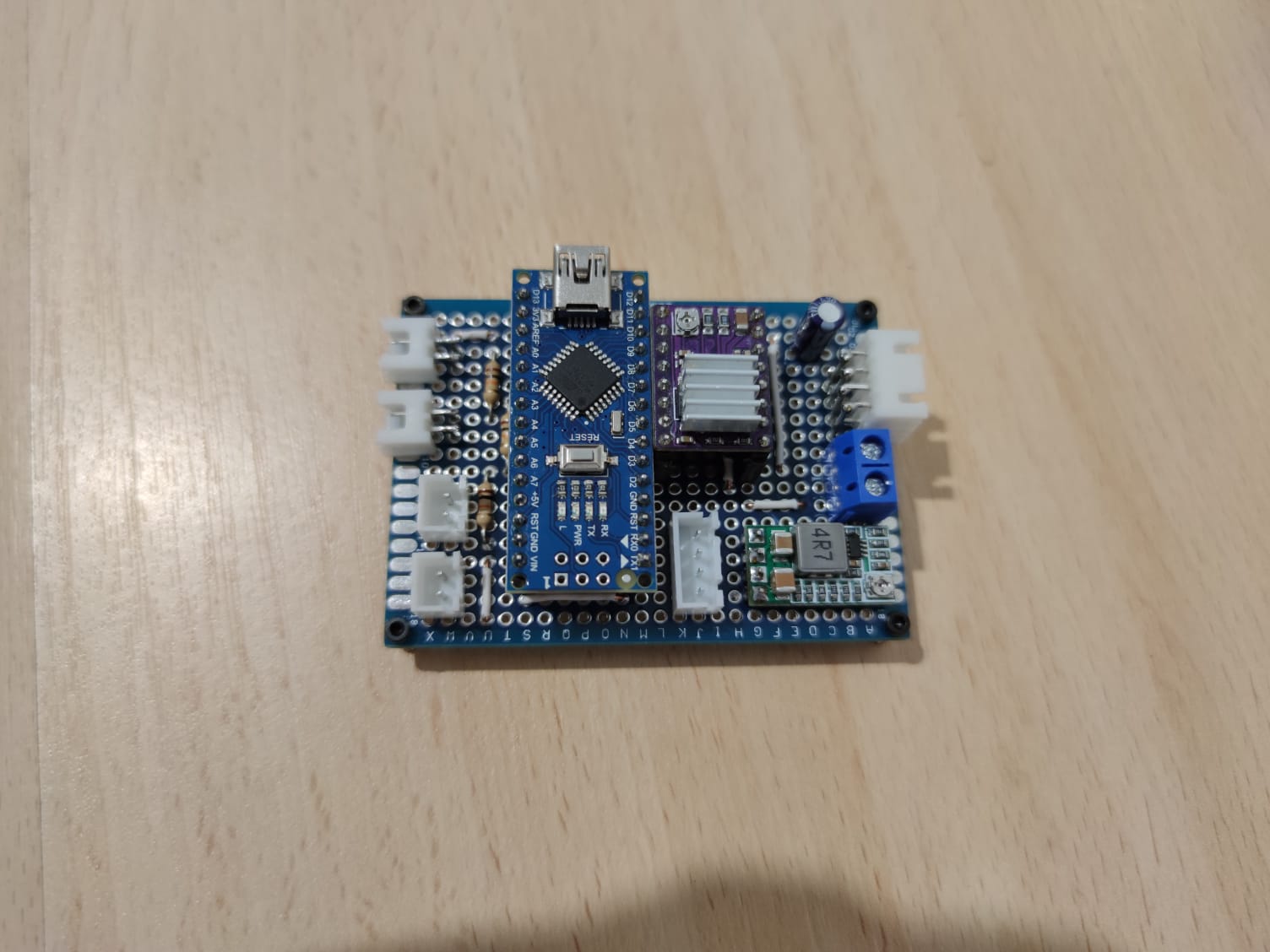
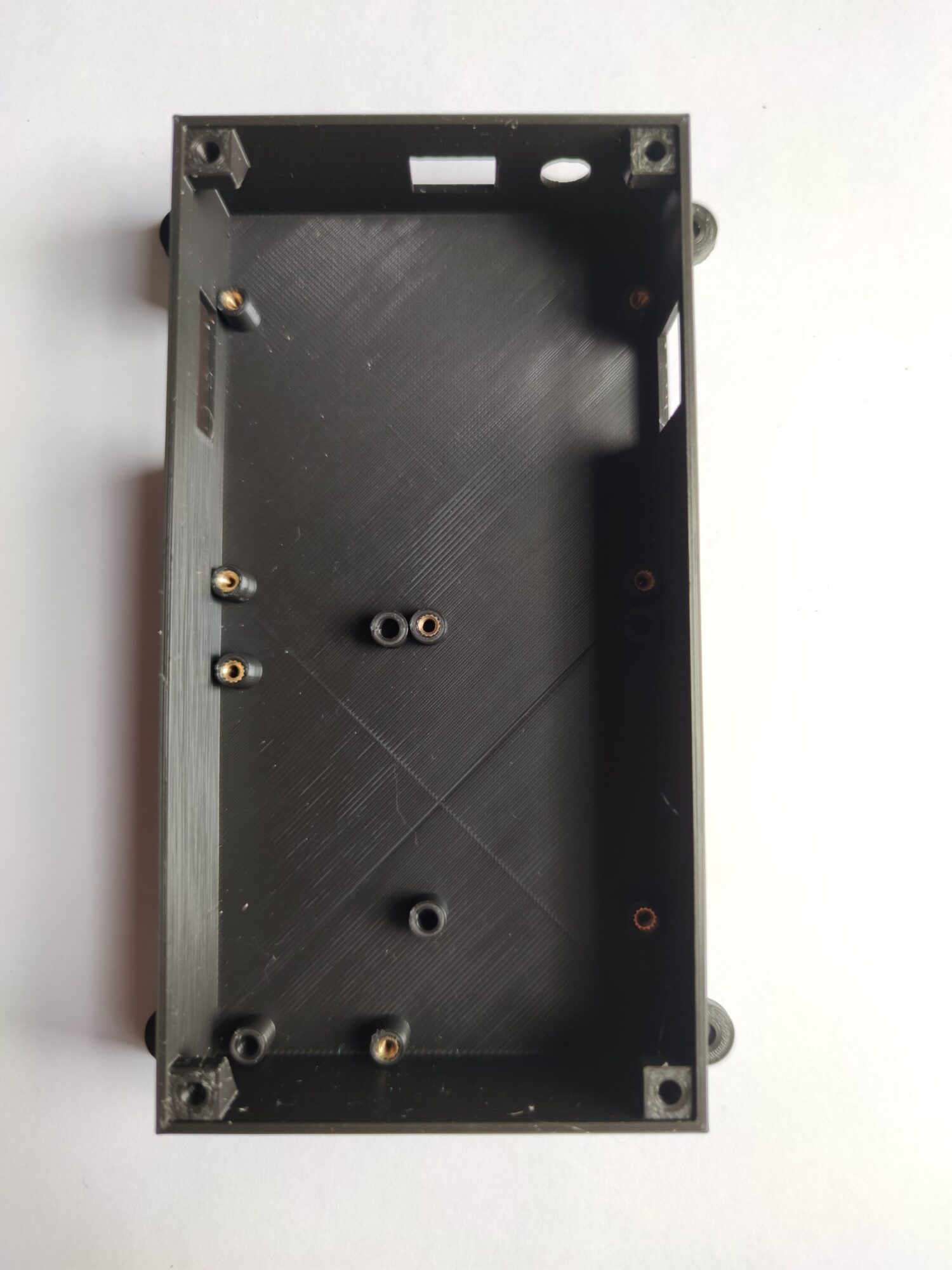
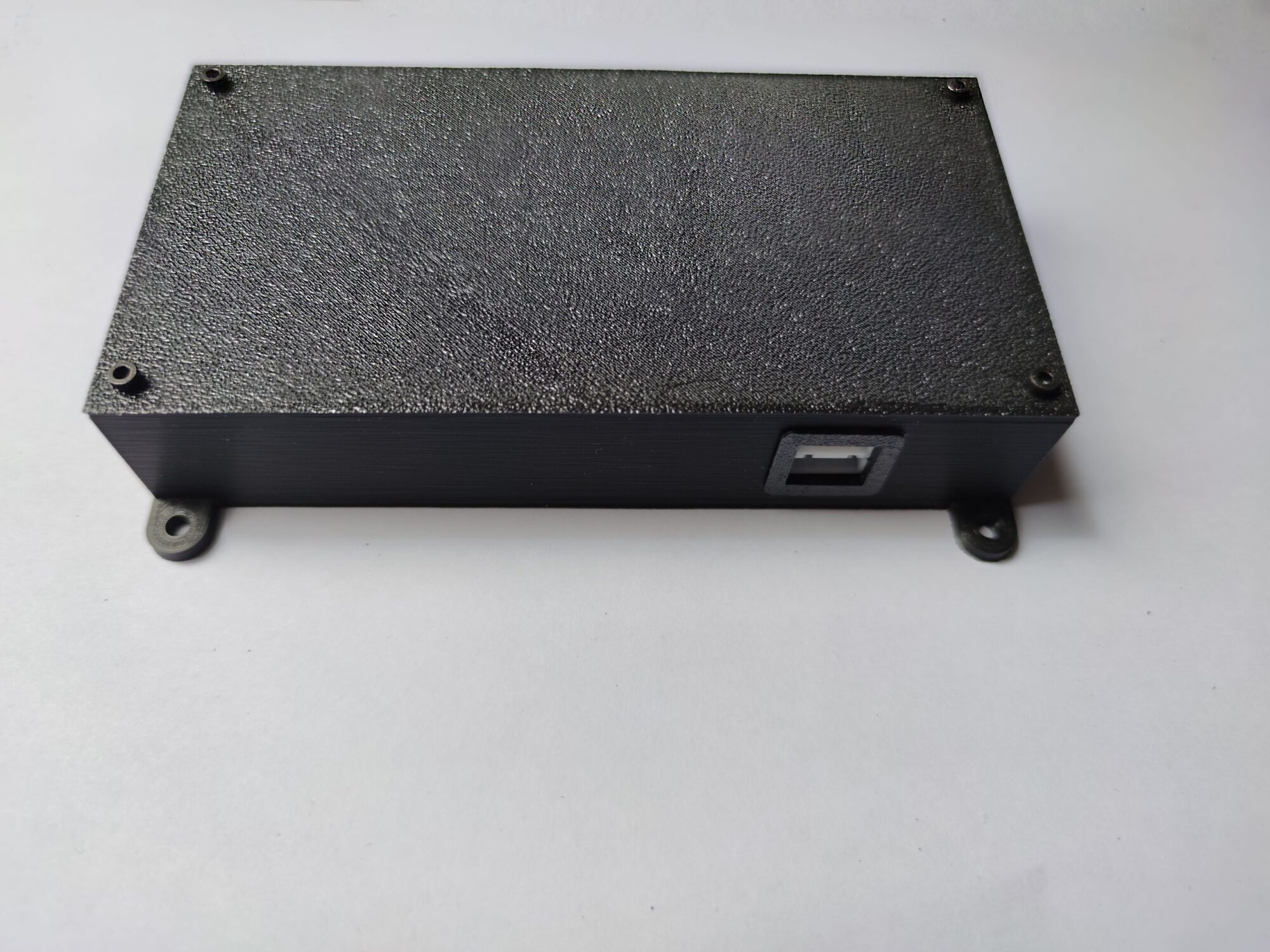
Two linear rails with bearings on ground rod, each with its own stepper motor, governed by an Arduino with DRV8825 drivers and two sets of limit switches —one for the rails and one for the screen. A WiFi module compatible with Tuya adds control from a phone and integration with Alexa and Google Home. All the electronics sit on perfboard inside a custom-printed enclosure.
How it works
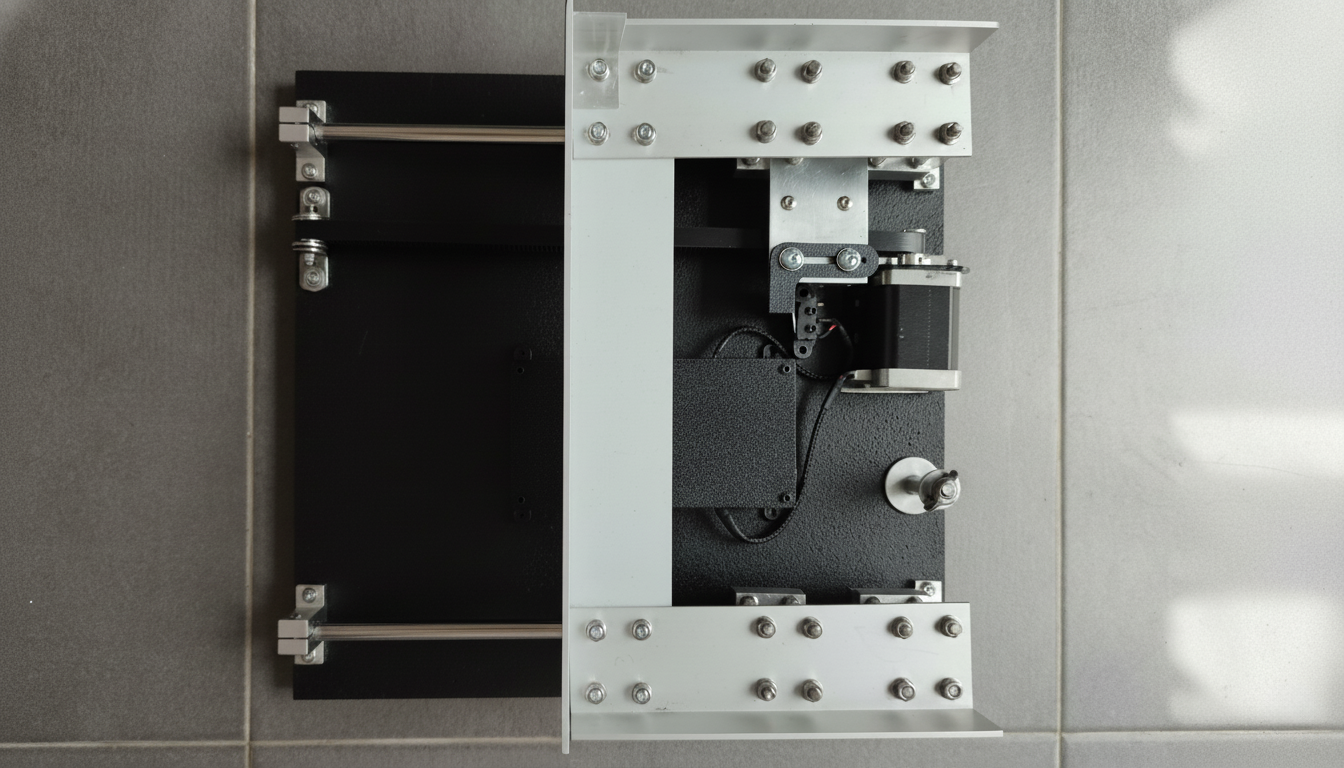
The two rails, one at each end of the screen, move the assembly forward until it is in position. Only then does the lowering mechanism engage and the screen unroll. On retracting it, the process runs in reverse order.
Electronics
- Arduino microcontroller on perfboard, inside a 3D-printed enclosure
- WiFi module compatible with Tuya Smart, with control from an app and integration with Alexa and Google Home
- DRV8825 driver for the stepper motors
- Control relays for the screen mechanism
- Two sets of limit switches: one for the rails and one for the screen
Mechanics
- Two rails with linear bearings on 10 mm ground rod
- One stepper motor per rail
- A quick fixing that lets the screen be hung and taken down without screws, to make assembly, maintenance or replacement easier
The control logic
The firmware is written to behave well when something unexpected happens. If the power is cut, on restarting it recognises the state the assembly was left in and acts accordingly instead of starting blind: if the screen was down, it retracts it first and only then pulls the system back. That order avoids movements that would damage the mechanism.
Work carried out
- Design and complete assembly of the mechanical system
- Development and integration of the electronics
- Firmware programming, with state handling and safety conditions
- CAD design and 3D printing of the enclosure
- Integration with the home automation ecosystem (Tuya, Alexa, Google)